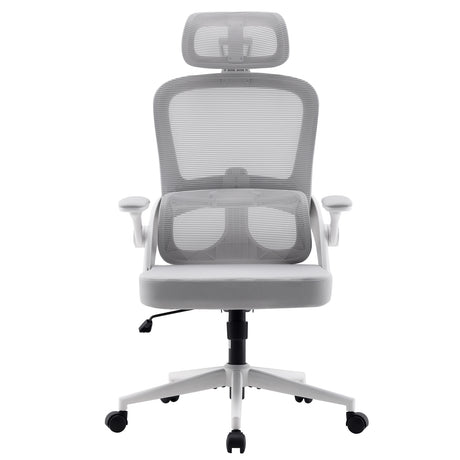
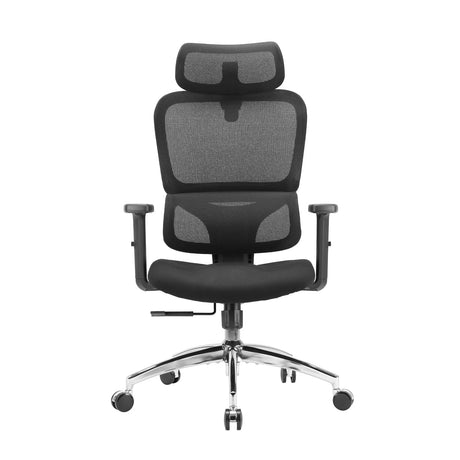
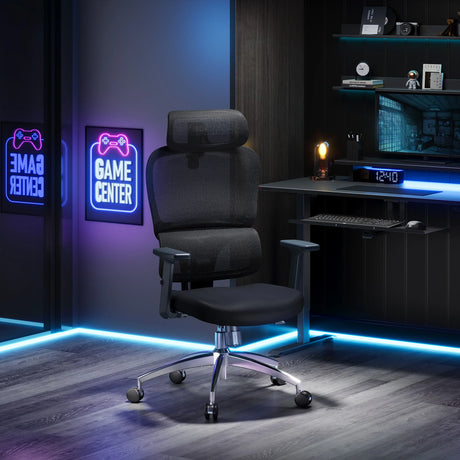
Lower back pain is one of the most common health issues affecting women worldwide. It can range from mild discomfort to debilitating pain, significantly affecting daily activities, work performance, and overall quality of life. Understanding the causes of lower back pain in females and exploring effective remedies is essential to maintain spinal health and overall wellness.
In this article, we’ll explore the physiological, lifestyle, and environmental factors that contribute to lower back pain in women, as well as practical remedies, ergonomic solutions, and lifestyle adjustments. We’ll also highlight the Sihoo M59AS ergonomic chair as a professional solution for long-term back support.
Understanding Lower Back Pain in Females
Lower back pain is often described as discomfort or pain localized between the lower ribcage and the gluteal folds. In women, the prevalence of lower back pain can be influenced by unique anatomical and hormonal factors, which may make them more susceptible to certain types of back issues than men.
The spine, ligaments, muscles, and intervertebral discs all play a role in supporting the upper body and allowing movement. Any disruption in these structures, whether due to injury, strain, or chronic conditions, can manifest as lower back pain.
Common Causes of Lower Back Pain in Women
Hormonal Changes and Menstrual Cycle
Fluctuations in hormones such as estrogen and progesterone can affect ligaments and muscles in the lower back and pelvis. During menstruation, some women experience:
- Increased sensitivity to pain due to prostaglandins
- Muscle cramps and spasms affecting the lower back
- Fluid retention, leading to stiffness and discomfort
Pregnancy and Postpartum Changes
Pregnancy can cause significant lower back strain due to:
- Increased lumbar lordosis (inward curvature of the lower spine)
- Weight gain concentrated in the abdomen
- Relaxation of ligaments caused by the hormone relaxin, increasing joint flexibility
Postpartum women may continue to experience lower back pain due to weakened core muscles, breastfeeding posture, and carrying infants.
Poor Posture and Sedentary Lifestyle
Spending long hours sitting, whether at a desk or in front of a computer, can contribute to lower back pain. Poor posture such as slouching, leaning forward, or crossing legs can cause:
- Muscle imbalances
- Increased pressure on lumbar discs
- Chronic stiffness and discomfort
Obesity and Weight Distribution
Excess weight, particularly around the abdomen, can shift the center of gravity forward, putting additional strain on the lower back muscles and spine. Maintaining a healthy weight reduces mechanical stress and lowers the risk of back pain.
Muscle Weakness and Imbalance
Weak core, gluteal, and lower back muscles fail to properly support the spine. Muscle imbalances often develop when:
- Certain muscles are overused while others remain inactive
- Daily activities do not engage the core adequately
- Lack of regular exercise weakens spinal support
Degenerative Conditions and Chronic Disorders
Several medical conditions can lead to lower back pain in women, including:
-
Herniated discs: Pressure on spinal nerves can cause pain radiating to the legs
-
Osteoarthritis: Degeneration of spinal joints may lead to stiffness and discomfort
- Scoliosis or spinal deformities: Abnormal spinal curvature can strain muscles and ligaments
High Heels and Footwear Choices
Wearing high heels frequently can alter spinal alignment, shift weight forward, and increase lower back strain. Opting for supportive shoes with lower heels can reduce the risk.
Symptoms to Watch Out For
Lower back pain can present differently depending on its cause:
- Dull, aching pain or sharp, stabbing sensations
- Pain radiating to the hips, buttocks, or legs (sciatica)
- Muscle stiffness and difficulty moving
- Pain aggravated by sitting, standing, or lifting
- In severe cases, numbness, tingling, or weakness in the lower extremities
Remedies for Lower Back Pain in Women
Exercise and Strengthening
Targeted exercises strengthen muscles supporting the spine:
-
Core strengthening: Planks, bridges, and abdominal exercises
-
Glute activation: Squats, lunges, and hip bridges
- Lower back strengthening: Bird-dog exercises, superman stretches
Consistency is key—regular strength training reduces recurrence and improves posture.
Stretching and Flexibility
Stretching muscles reduces tension and improves mobility:
- Hamstring stretches
- Piriformis stretches
- Cat-cow spinal movements
- Hip flexor stretches
Stretching should be performed daily or before and after workouts.
Posture Correction and Ergonomic Support
Proper posture alleviates strain on the lower back:
- Keep feet flat on the floor
- Maintain a natural lumbar curve
- Avoid slouching or leaning forward
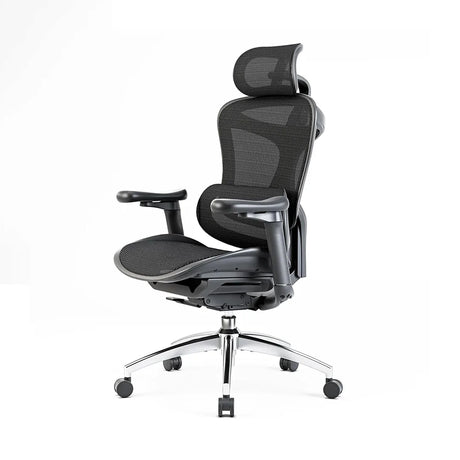
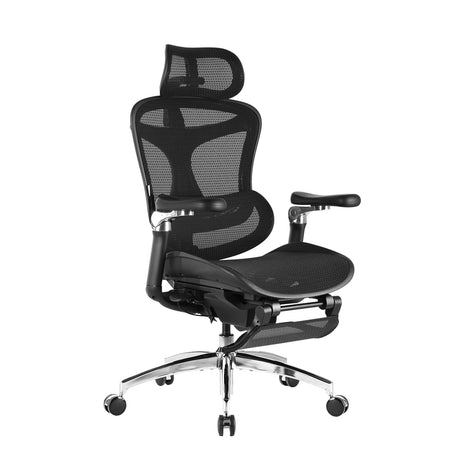
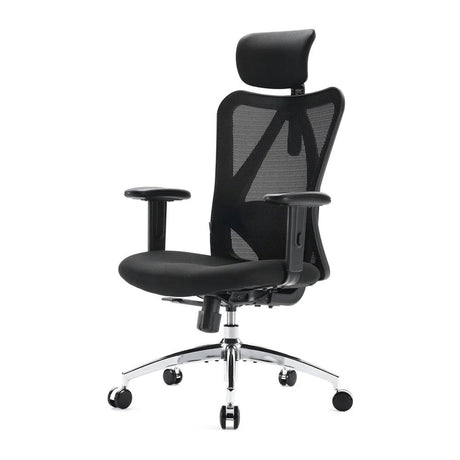
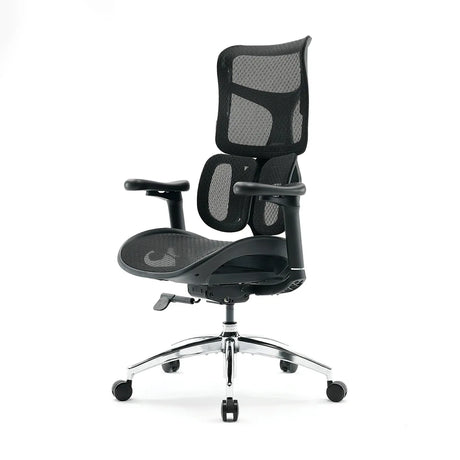
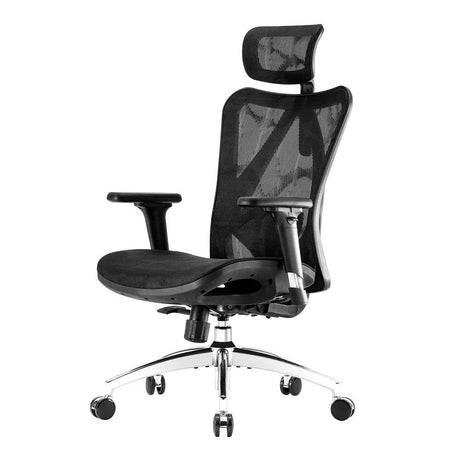
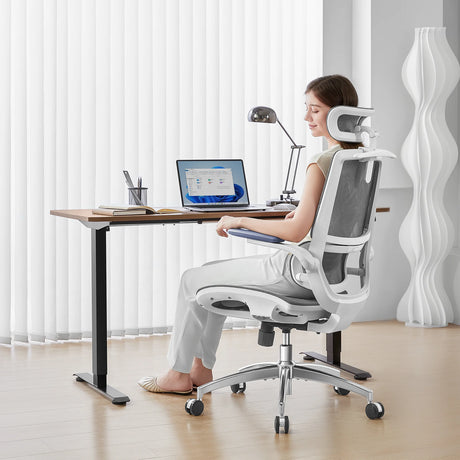
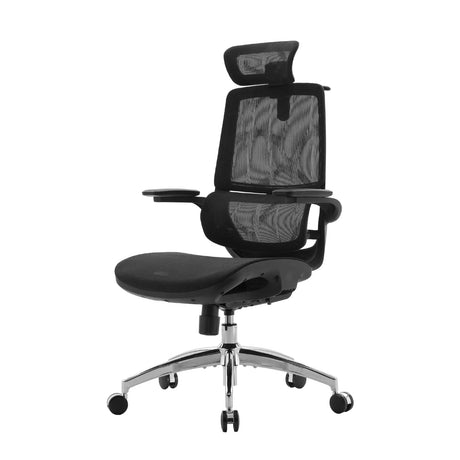
Investing in an ergonomic chair like Sihoo M59AS provides:
-
Dual-section backrest supporting the natural "S" curve of the spine
-
Dynamic lumbar support that adjusts to your lower back
-
Saddle-shaped seat cushion distributing pressure across hips and thighs
- 3D adjustable flip-up armrests to support arms and shoulders comfortably
These features help maintain proper posture during long hours of sitting, reducing lower back stress.
Heat and Cold Therapy
Applying heat or cold packs can provide temporary relief:
- Heat relaxes tight muscles and improves blood flow
- Cold reduces inflammation and numbs acute pain
Alternating between heat and cold therapy can be effective for muscle strain.
Pain Relief Medication
Over-the-counter medications like NSAIDs may help reduce inflammation and pain. Always consult a doctor before long-term use, especially for women who are pregnant or breastfeeding.
Weight Management
Maintaining a healthy weight reduces mechanical strain on the lower back and supports overall spinal health.
Professional Therapy
Physical therapy, chiropractic adjustments, and massage therapy can:
- Correct spinal misalignment
- Strengthen supporting muscles
- Reduce chronic pain and stiffness
Why Ergonomic Chairs Help
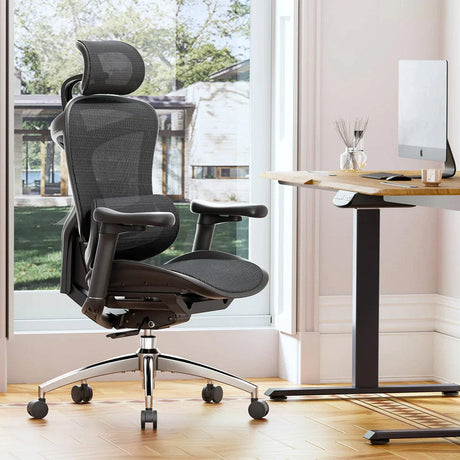
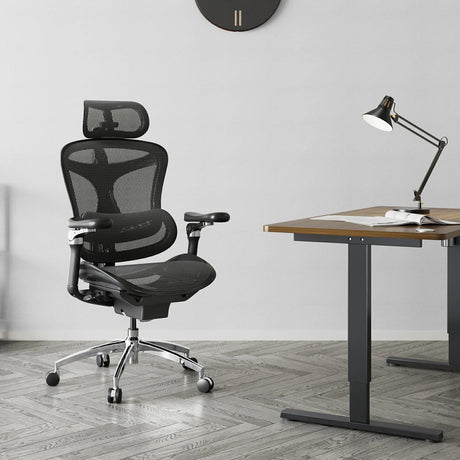
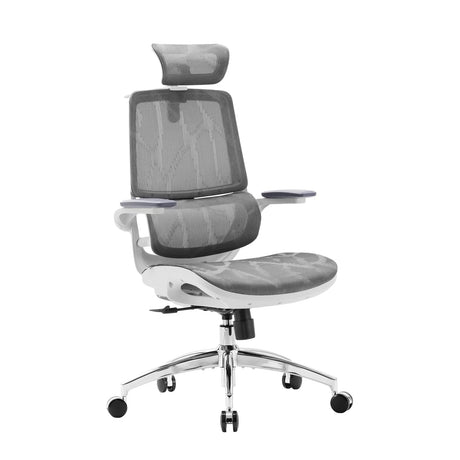
A high-quality ergonomic chair supports spinal health, reduces fatigue, and encourages proper posture. For women, particularly those working long hours at a desk, the chair can make a significant difference in preventing and alleviating lower back pain.
Sihoo M59AS: An Ergonomic Solution
The Sihoo M59AS is designed for comfort, support, and long-term spinal health:
-
Breathable Mesh Design: Keeps you cool and comfortable
-
Dual-Section Backrest: Supports the natural curvature of the spine
-
3D Adjustable Flip-Up Armrests: Customizable arm and shoulder support
-
Dynamic Lumbar Support: Adapts to your lower back for personalized comfort
-
Double-Jointed Headrest: Provides precise neck support
-
Saddle-Shaped Seat Cushion: Distributes pressure and reduces fatigue
-
Recline up to 126°: Allows for relaxation during breaks
-
Integrated Coat Hanger: Convenient storage for personal items
- Durable Construction: Built to last with premium materials
By integrating an ergonomic chair like Sihoo M59AS into daily life, women can significantly reduce lower back strain and enhance comfort during long work sessions.
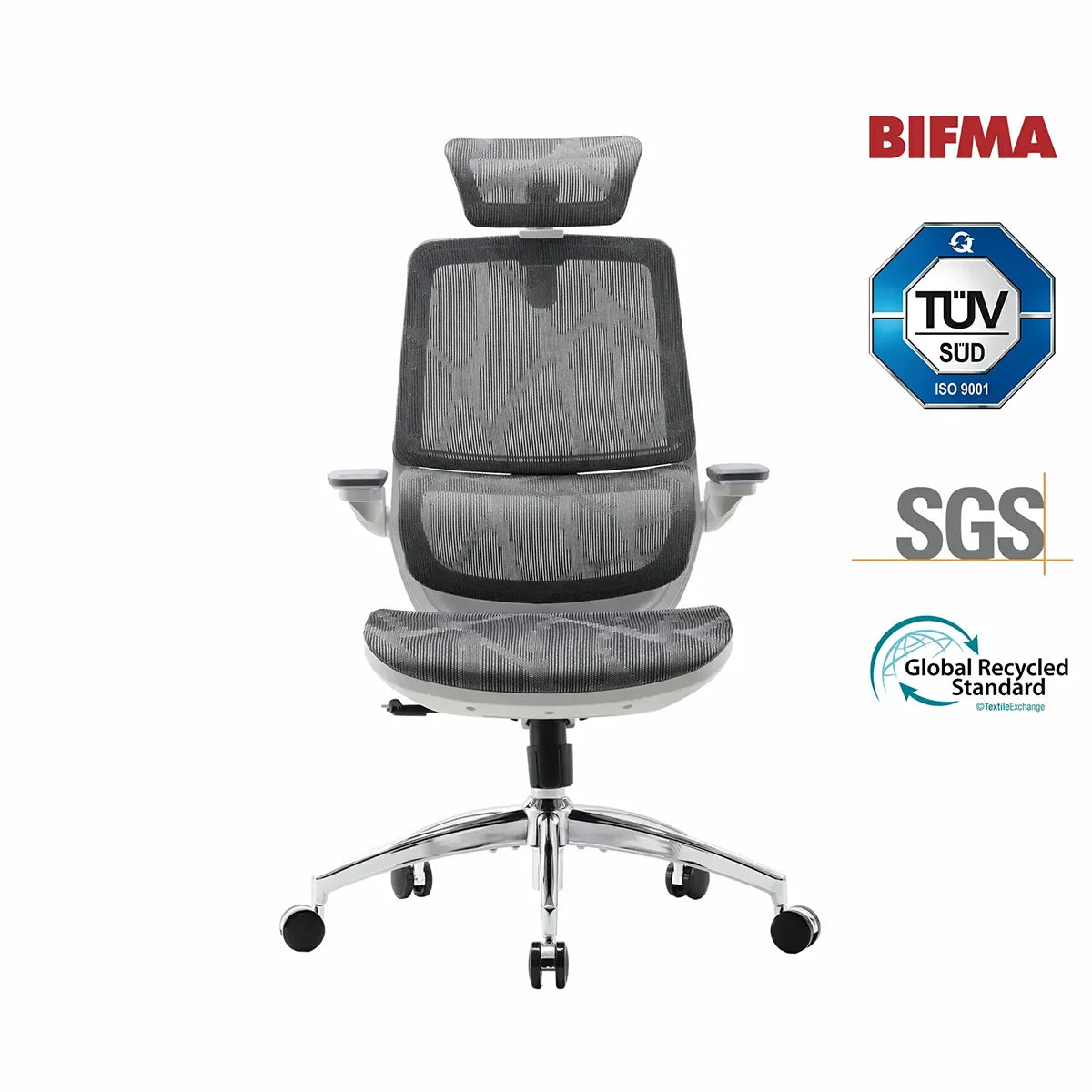
Sihoo M59AS Office Chair
Lifestyle Adjustments to Prevent Recurrence
-
Take frequent breaks from sitting every 30–60 minutes
-
Incorporate movement such as short walks or stretching
-
Practice proper lifting techniques to avoid spinal strain
-
Engage in regular exercise to strengthen the core and back
-
Use supportive footwear and avoid prolonged high-heel use
- Maintain a healthy diet and weight for overall wellness
Frequently Asked Questions (FAQ)
Q1: Is lower back pain normal during menstruation?
A1: Mild lower back discomfort during menstruation is common due to hormonal changes and muscle contractions. Severe pain should be discussed with a healthcare professional.
Q2: Can pregnancy cause long-term lower back pain?
A2: Pregnancy-related back pain often improves postpartum, but weak core muscles or poor posture may cause persistent discomfort. Strengthening exercises can help.
Q3: How long should I sit before taking a break?
A3: It’s recommended to stand or stretch every 30–60 minutes to reduce spinal stress. Ergonomic chairs like the Sihoo M59AS can also support proper posture during long sitting periods.
Q4: Can exercise worsen lower back pain?
A4: Incorrect exercise or overexertion may worsen pain. Follow proper techniques and consult a professional if unsure. Low-impact activities like swimming or yoga are safer options.
Q5: Are ergonomic chairs worth the investment?
A5: Yes. Chairs like the Sihoo M59AS support spinal alignment, reduce fatigue, and prevent chronic back pain, providing long-term health benefits and increased productivity.
Conclusion
Lower back pain in females is influenced by hormonal, anatomical, lifestyle, and environmental factors. Understanding the root causes and adopting a combination of remedies—including exercise, stretching, ergonomic support, and lifestyle adjustments—can significantly reduce pain and improve quality of life.
Investing in an ergonomic chair like the Sihoo M59AS ensures proper spinal support, enhances comfort, and helps women maintain a healthy posture during long hours of sitting. Combined with regular exercise, proper posture, and professional guidance, it can be a cornerstone of lower back pain prevention and relief.
By being proactive, women can manage and even prevent lower back pain, maintaining strength, mobility, and comfort for years to come.