Workplace ergonomics has become one of the most discussed topics in occupational safety over the past two decades. Musculoskeletal disorders (MSDs)—including back pain, carpal tunnel syndrome, tendonitis, and neck strain—remain among the most common workplace injuries across the United States. According to industry assessments, they are also among the most expensive, costing employers billions in lost productivity, workers’ compensation, and medical expenses annually.
Naturally, employers look to OSHA (the Occupational Safety and Health Administration) for regulatory clarity: What exactly does OSHA require? Are ergonomic programs mandatory? What obligations do employers have when MSDs occur?
The answer is not always straightforward, because OSHA does not have a specific, standalone ergonomics standard. However, that does not mean employers can ignore ergonomics. OSHA’s existing regulations, the General Duty Clause, recordkeeping rules, and industry-specific standards collectively create a clear framework for managing ergonomic risks.
This comprehensive guide explains everything you need to know about OSHA’s requirements for ergonomics, including what is and is not mandated, how OSHA enforces ergonomic hazards, what employers must document, and how to implement compliant ergonomic practices.
Table of Contents
-
Understanding the Role of OSHA in Ergonomics
-
Does OSHA Have an Ergonomics Standard?
-
How OSHA Regulates Ergonomics Through the General Duty Clause
-
OSHA Requirements That Indirectly Govern Ergonomics
-
OSHA Enforcement: When Ergonomics Violations Lead to Citations
-
What Triggers an OSHA Ergonomics Investigation?
-
Required Employer Actions to Stay OSHA-Compliant
-
The Elements of an OSHA-Aligned Ergonomics Program
-
Ergonomic Risk Factors OSHA Highlights Most
-
Ergonomics Requirements in Specific Industries
-
Common Misconceptions About OSHA Ergonomics Rules
-
How to Document Ergonomic Compliance
-
Best Practices for Employers Seeking to Exceed OSHA Expectations
- Final Thoughts
1. Understanding the Role of OSHA in Ergonomics
OSHA was established in 1970 to ensure safe and healthy working conditions for employees in the United States. While many people associate OSHA with hard hats, fall protection, and machine guards, ergonomics has been part of OSHA’s approach for decades. MSDs—often caused by repetitive motion, forceful exertion, awkward postures, and poorly designed workstations—are clearly recognized hazards.
OSHA focuses on ergonomics because:
- MSDs have a high incidence rate across industries.
- They develop gradually but can become permanently disabling.
- They are preventable through workplace design and administrative practices.
- They significantly affect worker well-being and productivity.
Even without a dedicated ergonomics regulation, OSHA consistently emphasizes that workplaces must be “free from recognized hazards,” which includes ergonomic risks that can cause serious harm.
2. Does OSHA Have an Ergonomics Standard?
No, OSHA does not currently enforce a single, comprehensive ergonomics standard.
A federal ergonomics standard was issued in 2000 but repealed by Congress in 2001. Since then, OSHA has regulated ergonomics indirectly through:
- The General Duty Clause
- Recordkeeping rules
- Industry-specific standards for certain tasks
- Voluntary guidelines and best practices
- Hazard communication requirements
Although there is no single rule titled “OSHA Ergonomics Standard,” employers are still legally obligated to address ergonomics when hazards are known and when feasible solutions exist.
3. How OSHA Regulates Ergonomics Through the General Duty Clause
When workplaces have significant ergonomic risks, OSHA typically relies on Section 5(a)(1) of the OSH Act, widely known as the General Duty Clause:
“Each employer shall furnish to each of his employees a workplace that is free from recognized hazards that are causing or are likely to cause death or serious physical harm.”
Under this clause, OSHA may issue citations for ergonomic hazards if the following conditions are met:
1. A hazard exists.
Examples: repetitive strain, excessive force, high lifting frequency, awkward posture requirements.
2. The hazard is recognized.
Recognition may come from:
- Industry standards
- Scientific research
- Manufacturer warnings
- Prior injuries in the workplace
3. The hazard is likely to cause serious harm.
MSDs qualify as serious injuries because they can lead to long-term disability.
4. A feasible means of abating the hazard exists.
OSHA must show the employer can reduce the risk through:
- Engineering controls (adjustable workstations, ergonomic chairs, lift assists)
- Administrative controls (job rotation, rest breaks)
- Updated tools or equipment
- Training
- Work practice changes
This is the central mechanism through which OSHA enforces ergonomics.
4. OSHA Requirements That Indirectly Govern Ergonomics
Even without a dedicated ergonomics standard, OSHA has several rules that influence or require ergonomic actions.
A. OSHA Recordkeeping Requirements (29 CFR Part 1904)
Employers must record:
- Work-related MSDs
- Ergonomic injury symptoms (when they meet recording criteria)
- Restricted duty resulting from ergonomic concerns
- Lost workdays associated with repetitive strain injuries
Accurate recordkeeping is essential because OSHA uses injury logs to identify:
- Trends in ergonomic hazards
- High-risk worksites
- Workplaces that may require further investigation
A failure to document MSDs properly can itself result in citations.
B. OSHA PPE Requirements
The PPE standards require employers to select appropriate personal protective equipment (gloves, supports, anti-vibration tools) where necessary.
While PPE is not the primary method for controlling ergonomic hazards, OSHA may cite employers when PPE selection does not account for ergonomic risks—e.g., tools that increase hand strain or gloves that increase grip force requirements.
C. Injury Response and Reporting Requirements
Employers must:
- Provide prompt medical evaluation when employees report MSD symptoms
- Document the incident
- Implement corrective actions when patterns of MSDs emerge
Failure to act after repeated symptoms may lead to a General Duty Clause citation.
D. Industry-Specific OSHA Standards That Affect Ergonomics
Certain sectors have ergonomics-related language built into their regulations:
1. Healthcare
In nursing and patient-care environments, OSHA cites:
- Manual lifting hazards
- Patient transfer risks
- Excessive physical demands on caregivers
2. Meatpacking Industry
OSHA has ergonomic guidelines specific to meat processing due to historically high MSD rates.
3. Shipyards and construction
Standards address:
- Handling heavy materials
- Overhead work
- Repetitive tool use
4. Manufacturing
Machine guarding, tool design, and workstation layout requirements often overlap with ergonomic principles.
5. OSHA Enforcement: When Ergonomics Violations Lead to Citations
Although OSHA cannot cite employers for violating a nonexistent ergonomics standard, it can issue citations through the General Duty Clause when:
- Employees suffer repeated MSDs.
- Work processes involve recognized ergonomic hazards.
- The employer fails to make feasible changes.
- Abatement measures are widely known within the industry.
OSHA may also use:
-
Section 1910.212 (machine guarding) when poor workstation design creates pinch points or awkward positioning.
-
Section 1910.176 (material handling) for unsafe lifting practices.
- Hazard communication rules if chemicals or tools contribute to ergonomic strain.
The agency often accompanies citations with recommended abatement measures, such as redesigning workstations or adding mechanical lifting systems.
6. What Triggers an OSHA Ergonomics Investigation?
OSHA typically investigates ergonomic hazards under specific circumstances. Common triggers include:
1. Worker complaints
Employees may report:
- Repetitive stress
- Insufficient lifting assistance
- Poorly designed seating
- Nonadjustable workstations
- Excessive force requirements
2. Patterns in injury logs
If OSHA identifies recurring MSDs during recordkeeping inspections, it may launch a targeted investigation.
3. Hospitalization or serious injury
Severe MSDs requiring hospitalization can prompt formal review.
4. Industry targeting
Some industries are on OSHA’s high-risk list due to historically elevated MSD rates.
7. Required Employer Actions to Stay OSHA-Compliant
While OSHA does not mandate a specific ergonomics program, employers must:
-
Identify recognized ergonomic hazards.
-
Assess risks and evaluate tasks that may cause MSDs.
-
Implement feasible controls.
-
Provide training to employees on safe work practices.
-
Respond appropriately when workers report symptoms.
- Keep accurate injury and illness records.
Failure to follow these steps may result in OSHA citations through the General Duty Clause or related standards.
8. The Elements of an OSHA-Aligned Ergonomics Program
To reduce liability and protect workers, most employers adopt an ergonomics program based on OSHA best practices.
Below are the key components OSHA recommends.
A. Worksite Analysis
A thorough evaluation of workplace tasks should include:
- Job hazard analysis
- Observation of worker posture and tool use
- Identification of lifting, pushing, or pulling demands
- Assessment of repetition and force
- Worker interviews and surveys
- Analysis of injury logs for MSD patterns
Employers must document findings to demonstrate due diligence.
B. Implementing Engineering Controls
Engineering controls—OSHA’s preferred method—physically modify the work environment to reduce risk. Examples include:
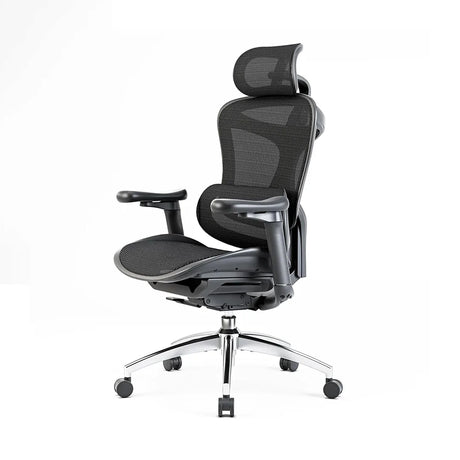
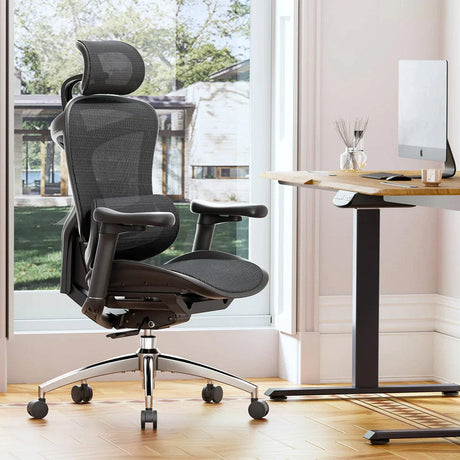
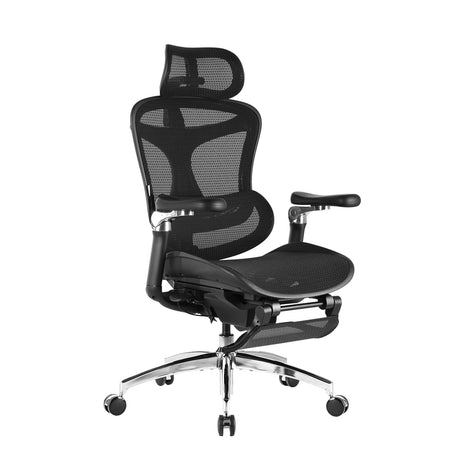
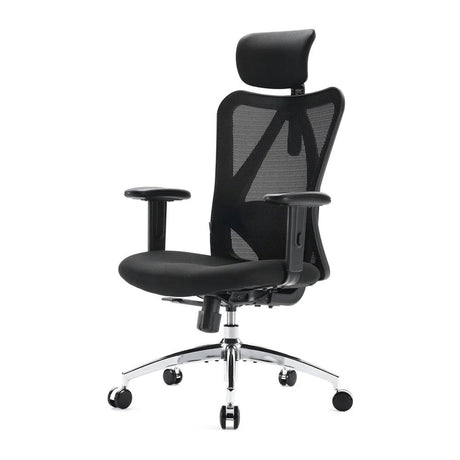
- Adjustable workstations
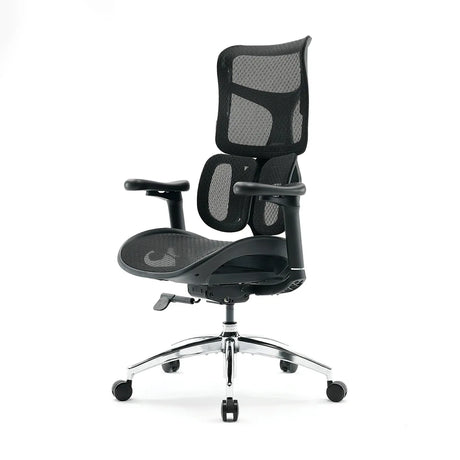
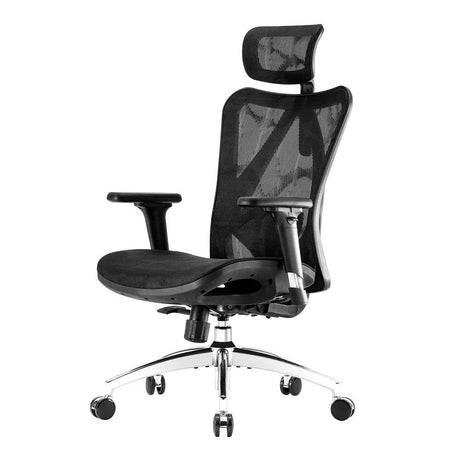
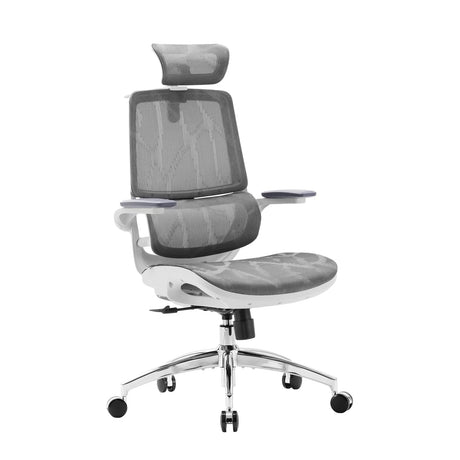
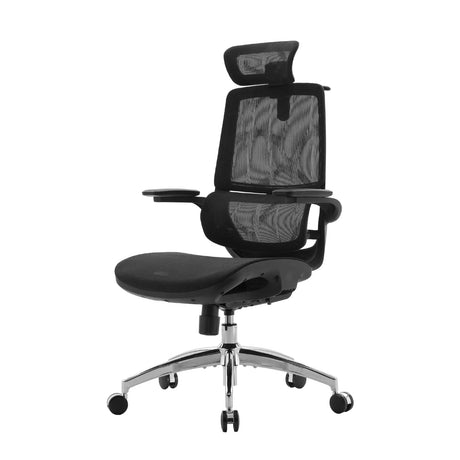
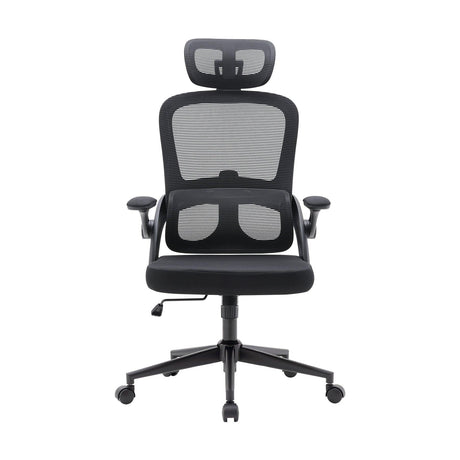
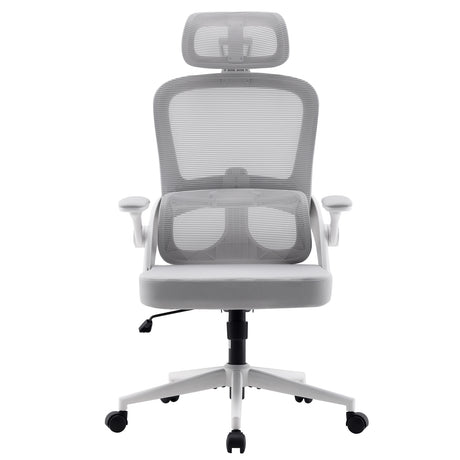
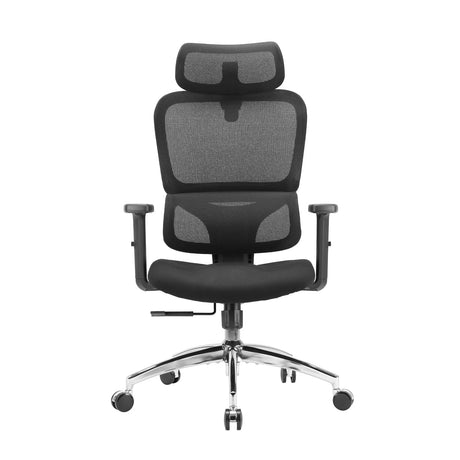
- Ergonomic chairs with lumbar support and seat adjustability
- Mechanical lift assists (hoists, conveyors, lift tables)
- Anti-fatigue flooring
- Redesigning workflow to reduce repetitive motion
These controls often have the most direct impact on MSD reduction.
C. Administrative Controls
Where engineering controls are not feasible, OSHA supports:
- Job rotation
- Microbreak schedules
- Task variation to reduce repetition
- Reasonable workload distribution
- Early reporting systems for MSD symptoms
Administrative changes are less effective than engineering controls but still valuable.
D. Training and Education Requirements
OSHA expects employers to provide training that includes:
- Recognizing ergonomic risks
- Early reporting of symptoms
- Proper lifting techniques
- Safe use of tools and equipment
- Adjusting workstations appropriately
Training must be documented to demonstrate compliance.
E. Medical Management
Employers should:
- Provide access to healthcare professionals
- Encourage early reporting
- Track MSD symptoms
- Maintain confidentiality
- Implement return-to-work plans when necessary
OSHA emphasizes early intervention because it dramatically reduces long-term disability rates.
F. Evaluation and Continuous Improvement
An effective ergonomics program is not static. OSHA expects employers to:
- Review injury data quarterly or annually
- Measure changes in MSD rates
- Reassess risk factors after workstation changes
- Update training and employee feedback mechanisms
Documenting evaluations supports both compliance and long-term ergonomics success.
9. Ergonomic Risk Factors OSHA Highlights Most
OSHA references several core risk factors that contribute to MSDs. Employers must identify and mitigate these where possible.
A. Repetition
Performing the same motion repeatedly—such as assembly line work, typing, or tool operation—strains muscles and tendons.
B. Force
Tasks requiring heavy lifting, pushing, pulling, or gripping increase physical load.
C. Awkward Postures
Examples include:
- Twisting
- Reaching overhead
- Kneeling
- Working with the neck bent forward
These positions create strain on muscles, joints, nerves, and ligaments.
D. Contact Stress
Hard edges pressing into the body (e.g., against the forearm or thigh) may cause nerve compression.
E. Vibration
Hand-arm vibration from power tools can lead to long-term vascular and neurological damage.
F. Duration
Long exposure to any of the above factors increases the likelihood of discomfort and injury.
Employers must monitor these factors systematically.
10. Ergonomics Requirements in Specific Industries
Although OSHA’s approach applies broadly, certain industries receive targeted guidance due to high MSD rates.
A. Healthcare and Nursing
OSHA highlights:
- Patient lifting hazards
- Repositioning patients without mechanical assistance
- Frequent bending and reaching
- Rolling, transferring, and supporting patient weight
Recommendations include mechanical lift devices, two-team lifting, and ergonomics training.
B. Manufacturing and Assembly
Common hazards include:
- Repetitive assembly tasks
- Conveyor line work
- Use of hand tools
- Awkward postures in tight spaces
Controls involve workstation redesign, automation, and precision tools.
C. Warehousing and Logistics
MSDs often result from:
- High-frequency lifting
- Handling heavy packages
- Palletizing and depalletizing
- Prolonged standing
OSHA encourages lift-assist equipment, training, and safe work zone layout.
D. Construction
Ergonomic challenges include:
- Overhead work
- Heavy material handling
- Vibrating tools
- Kneeling and squatting
Controls include tool redesign, job rotation, and mechanical hoists.
E. Office Work
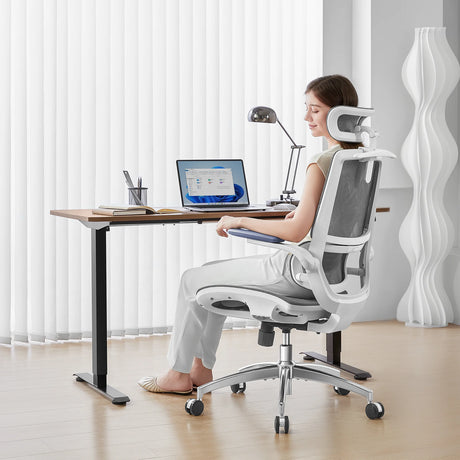
While less severe than industrial settings, office ergonomics still matter. Risks include:
- Poor chair support
- Incorrect monitor height
- Keyboard and mouse strain
OSHA recommends proper workstation adjustment, supportive seating, and movement breaks.
11. Common Misconceptions About OSHA Ergonomics Rules
Despite widespread awareness, many employers misunderstand OSHA’s stance on ergonomics.
Myth 1: OSHA does not regulate ergonomics at all.
Reality: OSHA enforces ergonomics through the General Duty Clause and applicable standards.
Myth 2: Ergonomics programs are optional.
Reality: They are strongly encouraged and often necessary to demonstrate compliance.
Myth 3: OSHA only cites employers if injuries are severe.
Reality: Repeated minor MSD symptoms can trigger an investigation.
Myth 4: Ergonomics is only relevant for industrial jobs.
Reality: Office environments account for significant MSD cases.
Myth 5: PPE is enough for ergonomic protection.
Reality: OSHA requires engineering and administrative controls before PPE.
12. How to Document Ergonomic Compliance
Documentation is one of the strongest defenses during an OSHA inspection. Employers should maintain records of:
- Worksite analysis reports
- Job hazard assessments
- Employee training sessions
- Medical evaluations (confidentially maintained)
- Engineering and administrative control implementations
- Equipment maintenance
- Employee feedback and surveys
- Injury log trends
OSHA expects employers to show proactive efforts, even if injuries still occur.
13. Best Practices for Employers Seeking to Exceed OSHA Expectations
To create a truly ergonomic workplace, consider these advanced best practices:
A. Invest in High-Quality Ergonomic Equipment
Height-adjustable chairs, adjustable desks, supportive seating, monitor arms, and ergonomic tools significantly reduce MSD risks.
B. Encourage Movement and Microbreaks
These help reduce static postures and muscular fatigue.
C. Use Data-Driven Ergonomics Analysis
Technologies like wearables, motion capture systems, and ergonomic risk scoring tools can quickly identify problem areas.
D. Engage Employees in the Process
Workers often know where discomfort occurs and can suggest viable solutions.
E. Conduct Annual Ergonomics Audits
A yearly evaluation ensures the system remains effective and compliant.
F. Integrate Ergonomics Into Workplace Design
Early integration is cheaper and more effective than retrofitting equipment later.
14. Final Thoughts
Even though OSHA does not have a single, dedicated ergonomics standard, the agency clearly requires employers to maintain a work environment free of recognized ergonomic hazards. Through the General Duty Clause, recordkeeping rules, and industry-specific requirements, OSHA maintains a strong regulatory framework that governs how employers must address MSD risks.
The most OSHA-compliant workplaces are those that:
- Evaluate tasks and identify ergonomic hazards
- Implement feasible engineering and administrative controls
- Encourage early reporting of symptoms
- Provide ongoing training and medical management
- Maintain thorough documentation
Ultimately, ergonomics is both a legal expectation and a strategic investment. Workplaces that proactively adopt ergonomics programs experience fewer injuries, higher productivity, reduced turnover, and improved employee satisfaction.
Addressing ergonomic risks isn’t simply about meeting OSHA expectations—it’s about building healthier, safer, and more efficient workplaces for the long term.