Modern work culture has normalized something our bodies were never designed for: sitting for long hours every day. Even people who exercise regularly often find themselves stiff, tired, or dealing with chronic aches simply because they spend eight to twelve hours in front of a computer. Over time, this can lead to muscular imbalances, reduced mobility, circulation issues, neck and back pain, and even increased long-term health risks.
The good news?
Most of the damage caused by prolonged sitting can be undone—but not by stretching for five minutes or going to the gym a few times a week. Reversing the effects requires a comprehensive, daily approach that includes posture management, targeted mobility work, strength training, desk ergonomics, and consistent movement.
This guide breaks down exactly what sitting does to the body and provides a deeply researched, professional roadmap to restoring function, reducing pain, and preventing long-term harm.
1. Why Sitting All Day Is So Harmful
Sitting is not inherently dangerous. The problem is the prolonged, static nature of modern sitting. In evolutionary terms, humans were built to walk, squat, lift, twist, and adapt to constant movement. A sedentary lifestyle removes that variability, forcing the body into a single repetitive shape.
Over time, this leads to:
- Tight hip flexors
- Weak glutes
- Reduced spinal mobility
- Rounded shoulders and forward head posture
- Limited thoracic (mid-back) extension
- Stiff ankles
- Slowed circulation
- Declining core stability
- Chronic muscle fatigue and pain
Even worse, the body adapts remarkably quickly to inactivity. After just one hour of sitting, metabolic activity slows significantly. After several months or years of sedentary behavior, posture, muscle balance, and joint health all deteriorate.
This isn’t about looking “bad” at your desk. It’s about long-term, systemic health.
2. The Science of What Happens to Your Body While Sitting
To undo the effects of long sitting sessions, you must first understand what’s happening inside your body.
2.1 Your Hips Become Locked in Flexion
Sitting keeps your hip flexors—especially the iliopsoas—in a shortened position. Over time, this leads to:
- Anterior pelvic tilt
- Reduced hip extension (the ability to walk efficiently)
- Lower back compression
- Compromised glute activation
This is the foundation of the classic “office worker’s posture.”
2.2 Your Glutes Become Underactive
Glute muscles deactivate when you sit because they’re not needed. Underactive glutes lead to:
- Instability in walking
- Increased load on the lower back
- Tight hamstrings
- Knee pain
- Limited power and endurance
In many cases, back pain is simply glute weakness.
2.3 Your Spine Loses Its Natural Curves
Most people slump while sitting. This creates:
- Rounded shoulders
- Forward head posture
- Flattened lumbar curve
- Weakened spinal stabilizers
Over time, this posture becomes the body’s “default.”
2.4 Your Shoulders and Neck Become Overworked
Typing and mouse use shift work to small, vulnerable muscles in the neck and shoulders. This causes:
- Tight trapezius and levator muscles
- Headaches
- Tingling or numbness
- Limited shoulder mobility
2.5 Circulation Slows Dramatically
When the lower body is still for hours:
- Blood flow reduces
- The risk of varicose veins increases
- Lymphatic flow slows
- Swelling in the feet and ankles becomes more common
2.6 Energy Levels Drop
Sitting reduces:
- Oxygen delivery
- Cardiovascular activity
- Lung expansion
This contributes to mid-afternoon fatigue, brain fog, and reduced productivity.
3. Can You Really Reverse the Damage?
Yes—but it requires consistency.
Research shows that even people who sit for long periods can offset most negative effects by integrating:
- Ergonomic corrections
- Regular movement
- Strength training
- Mobility and stretching
- Improved posture habits
You can’t fully undo eight hours of sitting with a 30-minute workout—but you can reverse long-term postural issues and restore mobility with a structured, multi-step approach.
Think of it like this:
-
Ergonomics reduces ongoing damage
-
Movement breaks prevent new issues
-
Mobility work restores joint health
- Strength training corrects muscular imbalances
All four are required for true recovery.
4. Step 1: Reset Your Workspace Ergonomics
Before trying to undo years of sitting damage, you must stop creating new problems daily. A poorly designed workstation keeps your body in harmful positions for hours.
The most effective ergonomic adjustments include:
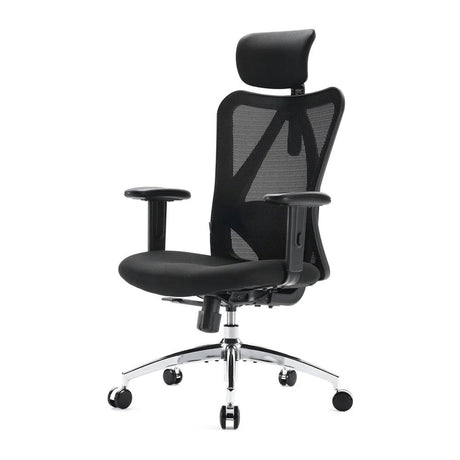
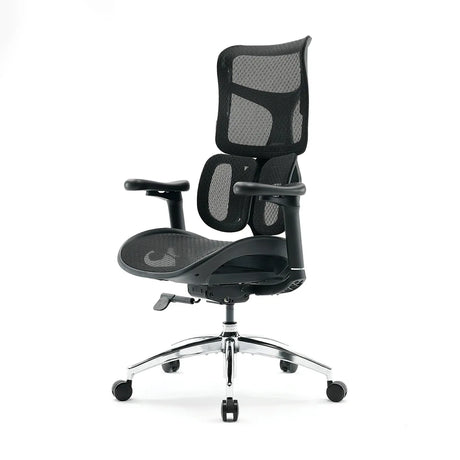
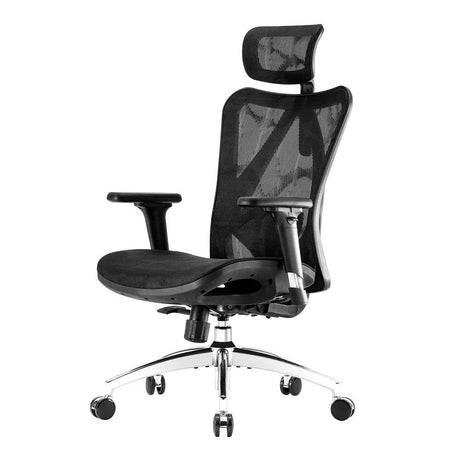
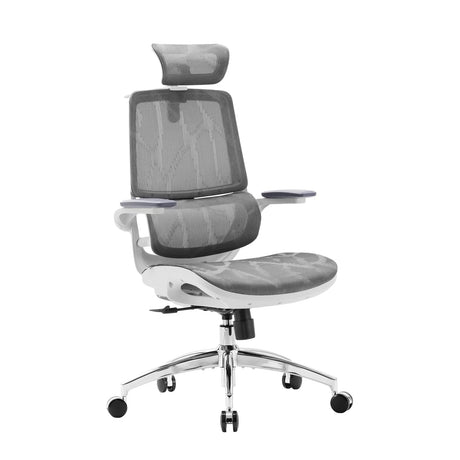
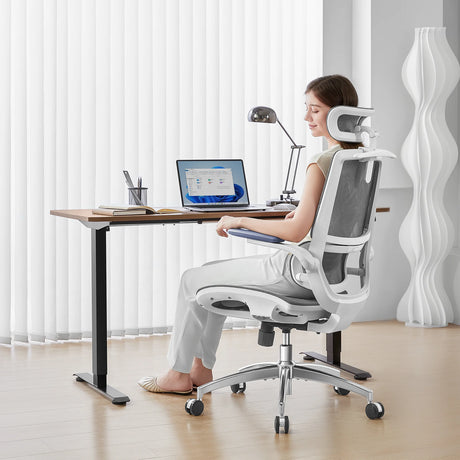
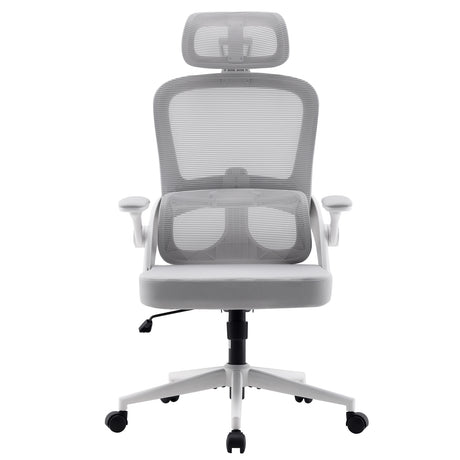
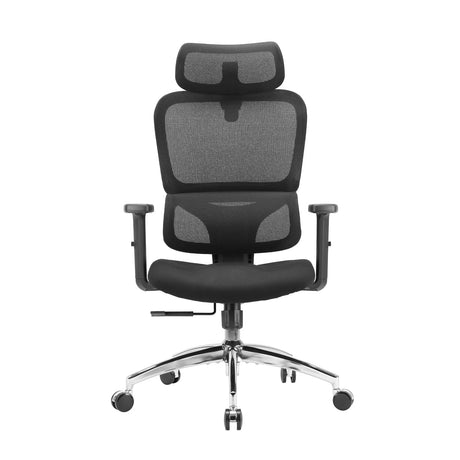
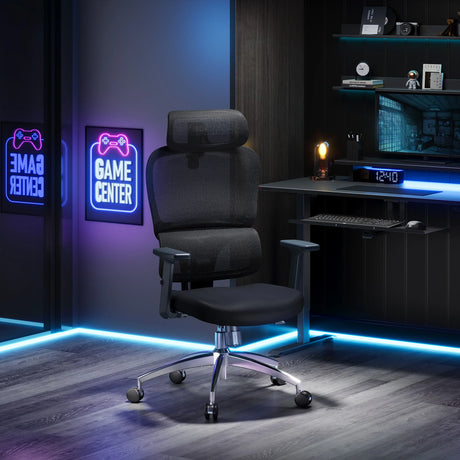
4.1 Chair Setup
Your chair should:
- Support the natural curve of the lower back
- Allow your feet to rest flat on the floor
- Keep your hips slightly above knee level
- Support your elbows close to your body
- Enable your head to remain aligned over your spine
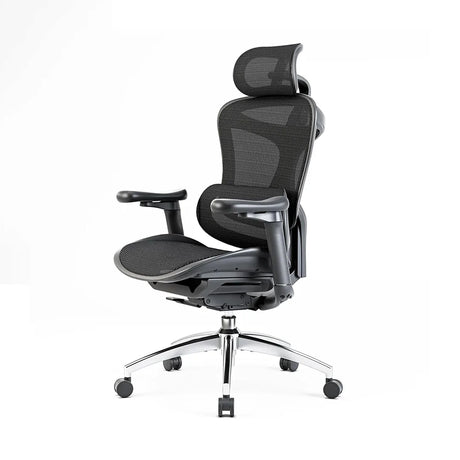
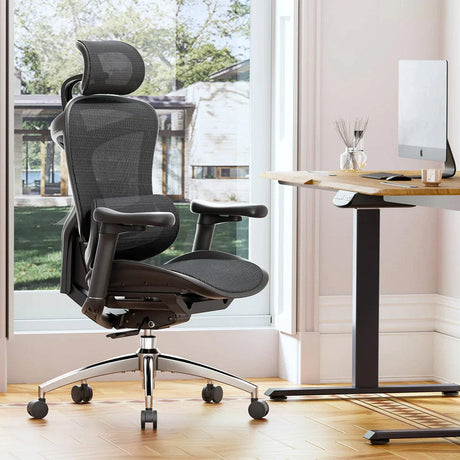
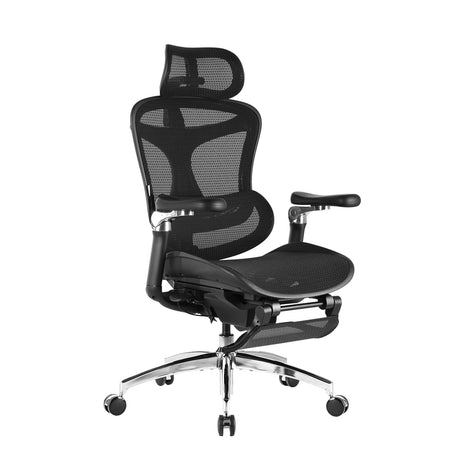
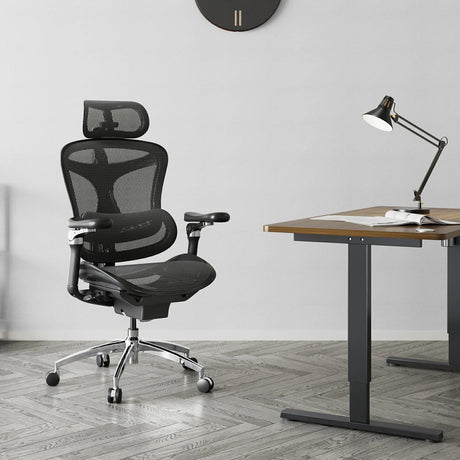
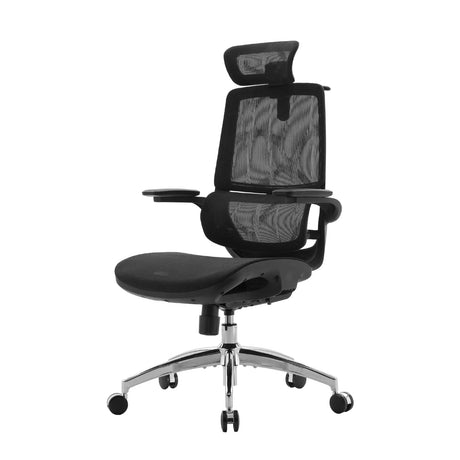
Ergonomic chairs with adaptive lumbar support—such as dynamic lumbar systems that move with your spine—are especially beneficial.
4.2 Desk and Monitor Height
Your monitor should be:
- Directly in front of you
- With the top one-third at eye level
- At an arm’s-length distance
This reduces neck strain and prevents forward head posture.
4.3 Keyboard and Mouse Position
Ideally:
- Elbows at 90–100 degrees
- Wrists neutral
- Shoulders relaxed
Keyboard close enough that you don't reach forward
4.4 Consider a Height-Adjustable Desk
Alternating between sitting and standing helps:
- Increase blood flow
- Reduce lower-back stress
- Encourage natural movement
The key is alternating—not standing all day.
5. Step 2: Build Movement Into Your Day
Small, frequent movement breaks do more to undo sitting damage than a single large workout.
5.1 The 30:3 or 45:5 Rule
Every:
-
30 minutes of sitting → 3 minutes of movement, or
- 45 minutes of sitting → 5 minutes of movement
Movement should involve:
- Standing
- Walking
- Stretching
- Shoulder rolls
- Simple mobility drills
- Even 15 seconds of posture reset helps.
5.2 Micro-Movements at the Desk
Subtle motions can prevent stiffness:
- Ankle circles
- Shrug and release
- Gentle spinal rotation
- Shoulder blade squeezes
- Neck mobility
These keep blood flowing and joints lubricated.
5.3 Walk Whenever Possible
Walking undoes a surprising amount of sitting damage because it reverses hip flexion and stimulates the glutes. Consider:
- Walking meetings
- Taking calls standing
- Parking farther away
- Short lunchtime walks
Five minutes every hour adds up to more than a full hour of walking daily.
6. Step 3: Daily Mobility Routine to Undo Sitting Posture
Mobility is about joint health, not just stretching. A structured mobility routine can restore your hips, spine, and shoulders.
Here’s a comprehensive, effective sequence:
6.1 Hip Mobility
- 90/90 hip rotations
- Kneeling hip-flexor stretch (with glute activation)
- Pigeon pose or figure-four stretch
- Hip CARs (controlled articular rotations)
These restore hip rotation, extension, and joint space.
6.2 Thoracic Spine Mobility
- Cat-cow
- Thoracic extension over a foam roller
- Thread-the-needle
- Open-book side-lying rotations
This reduces rounding of the upper back and improves breathing.
6.3 Shoulder and Chest Mobility
- Pec doorway stretch
- Wall angels
- Scapular CARs
- Overhead reach and hang (if comfortable)
Sitting internally rotates the shoulders; these open them back up.
6.4 Ankle and Lower-Leg Mobility
- Calf stretch
- Ankle dorsiflexion drills
- Toe flexion/extension
- Heel-to-toe walking
- These counteract pressure from sitting and improve gait mechanics.
A full routine takes 10–15 minutes and is best done once or twice daily.
7. Step 4: Strength Training to Rebalance the Body
Strength training is the most powerful way to reverse postural damage long term. When certain muscles become weak from sitting, others compensate.
The key is to train:
-
Glutes
-
Core
-
Upper back
-
Hamstrings
- Deep neck flexors
Here’s what to focus on:
7.1 Glute Strengthening
Sitting underuses glutes, so strengthen them with:
- Glute bridges
- Hip thrusts
- Deadlifts
- Step-ups
- Bulgarian split squats
- Lateral band walks
You’ll see improvements in posture, walking mechanics, and lower-back comfort.
7.2 Core Stabilization
A strong core prevents spinal collapse while sitting.
Best exercises include:
- Planks
- Side planks
- Pallof press
- Bird-dog
- Dead bug
Avoid excessive crunching, which can worsen rounded posture.
7.3 Upper Back and Postural Muscles
Strengthen the muscles that pull your shoulders back:
- Rows (all variations)
- Face pulls
- Reverse flys
- Lat-pull-downs
- Scapular retraction drills
These undo the “computer hunch.”
7.4 Hamstring and Posterior Chain
To balance hip flexor tightness:
- RDLs
- Hamstring curls
- Good mornings
7.5 Neck Strength
Forward head posture weakens deep neck flexors.
Simple drills help:
- Chin tucks
- Isometric holds
- Resistance band neck work (optional)
Strength training 2–4 times per week is ideal for long-term results.
8. Step 5: Improve Circulation and Breathing Patterns
Long sitting compresses the diaphragm, reduces lung expansion, and slows blood flow.
8.1 Diaphragmatic Breathing
Practice:
- 4 seconds inhale
- 6 seconds exhale
- Belly expanding outward, not upward
This improves core stability and reduces tension in the upper body.
8.2 Leg and Foot Activation
Promote circulation with:
- Calf raises
- Toe lifting
- Heel-to-toe rocking
- Ankle pumps
Doing these throughout the day prevents swelling and stiffness.
8.3 Standing Breaks
Even 30–60 seconds of standing:
- Stimulates blood flow
- Re-engages core and glutes
- Promotes circulation to the legs
9. Step 6: Evening Recovery Habits
Evenings are ideal for reversing accumulated tension from the day.
9.1 Gentle Stretching or Yoga
Focus on:
- Hip flexors
- Hamstrings
- Glutes
- Chest
- Upper back
A 10-minute routine before bed significantly reduces next-day stiffness.
9.2 Heat or Warm Showers
Heat relaxes tight muscles, improves tissue elasticity, and relieves tension.
9.3 Limit Late-Night Sitting
Avoid going from a work chair → couch → bed. Break up long sedentary evenings with:
- Walking
- Light chores
- Floor stretching
9.4 Sleep Position Adjustments
Side and back sleeping are generally better for spinal alignment.
10. Step 7: Lifestyle Adjustments That Make the Biggest Difference
Undoing sitting damage isn’t only about exercises—it’s about reshaping habits.
10.1 Walk More Than You Think You Need
Aim for:
-
7,000–10,000 steps daily, minimum
- More on days when you sit longer
Walking is the simplest way to reverse hip and spinal stress.
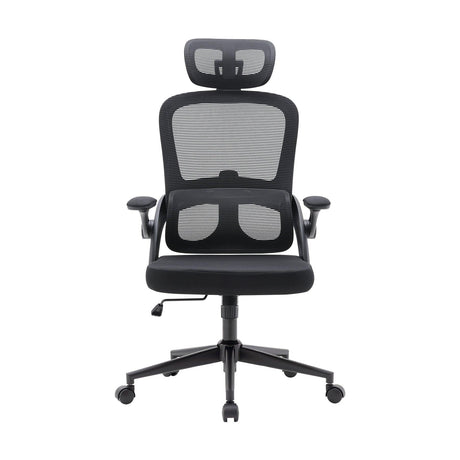
10.2 Prioritize an Ergonomic Chair
A chair with:
- Dynamic lumbar support
- Adjustable seat depth
- Proper cushioning
- Adaptive backrest
- Adjustable armrests
…reduces strain and helps your spine maintain a neutral position.
10.3 Use a Standing Desk Strategically
Alternate between sitting and standing rather than choosing one exclusively.
10.4 Reduce Recreational Screen Time Sitting
Replace some sitting with:
- Standing
- Walking
- Stretching while watching videos
You don’t need to eliminate downtime—just modify your position.
10.5 Keep Your Hips and Spine Moving
Look for opportunities to squat, kneel, or stretch during the day.
11. Example Daily Routine to Undo Sitting Damage
Here’s a realistic, research-based routine that fits a typical workday.
Morning
- 5 minutes of mobility (hips, back, shoulders)
- Walk 5–10 minutes
- Set desk and chair ergonomics
During Work
Every 30–45 minutes:
- Stand, stretch, or walk for 2–5 minutes
Every hour:
- Posture reset
- Shoulder blade squeezes
- Chin tuck
Lunch:
- 10–15 minute walk
Mid-afternoon:
- 3 minutes of hip mobility
- 10–15 bodyweight squats or glute bridges
Evening
- Strength training (20–40 minutes) OR gentle stretching (10 minutes)
- Walk after dinner
- Brief mobility session before bed
This routine doesn’t require major life changes—just consistency.
12. Final Thoughts: Your Body Can Recover—If You Work With It
Sitting all day is harmful, but it’s not irreversible. The body responds quickly once you restore movement, strengthen neglected muscles, and improve workspace ergonomics. The key is realizing that recovery isn’t about one big fix—it’s about lots of small, daily corrections that accumulate over time.
By improving your workspace, integrating movement breaks, practicing mobility, strengthening key muscle groups, and adjusting lifestyle habits, you can undo years of sitting-related damage and build a healthier, more resilient body.