Modern life has made sitting nearly unavoidable. We sit at work, during our commute, while eating, and when relaxing at home. For many people, sitting consumes more hours of the day than sleeping. While it may feel harmless, research over the past decade has made one thing clear: long periods of sitting can have serious consequences for your health, even if you exercise regularly.
This comprehensive guide breaks down the science behind prolonged sitting, the risks you may not notice until years later, and practical strategies to counter its effects. Whether you work at a desk, drive for a living, or spend long hours gaming or studying, understanding these impacts is one of the most important steps in protecting your long-term well-being.
1. The Modern Sedentary Lifestyle: How Did We Get Here?
For most of human history, daily life required movement. Hunting, farming, gathering firewood, and walking long distances were unavoidable. The shift began with industrialization and accelerated with computers, digital work, and online entertainment.
Today:
- Office workers often sit 8–12 hours a day.
- Remote workers may sit even more, without commute-related walking.
- Students can sit 6–10 hours daily between classes and screen time.
- Entertainment—streaming, gaming, social media—adds additional hours of sitting.
The result is what experts call “the sitting epidemic.” Unlike other health risks, prolonged sitting often creeps up slowly and silently. The pain or health complications appear only after years of habitual behavior, which makes awareness and prevention essential.
2. Why Sitting Too Long Is Harmful: The Science Explained
At the core, sitting itself isn’t the problem—it’s the duration and lack of movement.
When you sit for long periods:
-
Muscles switch off
Large muscle groups in the legs and core become less active, leading to weakness, stiffness, and reduced metabolism.
-
Circulation slows
Blood moves more slowly through your legs and feet, which increases the risk of swelling, varicose veins, and even blood clots.
-
Posture deteriorates
Most people naturally lean forward or slouch when sitting. Over time, this strains the spine, tightens hips, and promotes muscle imbalance.
-
Metabolism declines
Sitting reduces the body’s ability to regulate blood sugar and break down fat efficiently, raising the risk of metabolic disorders.
-
Stress increases
A sedentary lifestyle has been linked to higher cortisol levels, reduced mood stability, and lower cognitive performance.
The body is designed for regular motion—not static positions. Even “good posture” becomes harmful when maintained without breaks.
3. The Physical Side Effects of Sitting Too Long
a. Musculoskeletal Issues
Long sitting places uneven pressure on the spine, hips, and shoulders. Over time, this leads to muscular imbalances that can cause chronic pain.
Weak Glutes
Your gluteal muscles play a crucial role in stabilizing your pelvis and lower back. Sitting stretches these muscles and prevents them from engaging, leading to “gluteal amnesia”—a condition where the muscles essentially forget how to activate properly.
This, in turn, can cause:
- Lower back pain
- Poor balance
- Reduced walking or running efficiency
- Hip instability
Shortened Hip Flexors
The hip flexors stay in a shortened position when sitting. Over time, they tighten and cause pelvic tilt, which leads to:
- Lumbar spine strain
- Discomfort when standing up
- Reduced mobility
- Greater risk of lower back injury
b. Back, Neck, and Shoulder Pain
This is among the most immediate and widespread consequences.
Lower Back Pain
Prolonged sitting compresses the lumbar spine and increases pressure on the intervertebral discs. Poor chair support, slouching, or leaning forward only worsen the strain.
Over time, this may contribute to:
- Degenerative disc disease
- Herniated discs
- Sciatica
- Chronic lower back soreness
Neck and Shoulder Tension
When you lean forward toward a screen, the head shifts ahead of the body’s center of gravity. This position increases the load on your neck from 10–12 pounds to more than 40 pounds.
Symptoms include:
- Stiff neck
- Tension headaches
- Shoulder tightness
- Upper back knots
c. Core Weakening
Your abdominal muscles help support your spine. But when sitting, they switch off, leading to long-term weakness.
A weak core contributes to:
- Poor posture
- Back pain
- Reduced stability and balance
- Higher injury risk during physical activity
d. Hip and Leg Problems
Tight Hamstrings and Hips
The seated position shortens the hamstrings and hip flexors. Tight hamstrings pull on the pelvis and can contribute to lower back issues.
Reduced Range of Motion
Loss of flexibility in the hip joint impacts walking, running, and bending.
Leg Weakness
Long periods without movement can reduce muscle activation and strength, especially in the quadriceps and calves.
e. Weight Gain and Metabolic Slowdown
Sitting reduces your body’s energy expenditure to almost the same level as sleeping. Over time, this can lead to:
- Weight gain
- Fat accumulation, especially around the abdomen
- Slower metabolism
- Increased appetite and cravings
Even people who exercise regularly may still face these risks if they spend most of their day sitting. This condition is known as “active but sedentary.”
f. Cardiovascular Disease
Research indicates that long periods of inactivity are linked to higher rates of:
- High blood pressure
- Coronary artery disease
- Early arterial plaque buildup
- Stroke
When muscles are inactive, they do not help pump blood through the body. This lack of movement affects vascular health and blood lipid levels.
g. Increased Risk of Type 2 Diabetes
Sitting too long reduces insulin sensitivity. Within hours of prolonged sitting, blood sugar levels rise. Over the long term, this increases your risk of developing:
- Insulin resistance
- Metabolic syndrome
- Type 2 diabetes
This risk remains even among individuals who maintain regular exercise routines.
h. Poor Circulation
Slow blood flow can cause:
- Cold feet
- Numbness or tingling
- Blood pooling in the lower extremities
- Swelling (edema)
i. Varicose Veins and Swelling
Sitting increases venous pressure in the legs. Over time, this may contribute to:
- Varicose veins
- Spider veins
- Chronic swelling around the ankles
- Higher risk of deep vein thrombosis (DVT), particularly during long flights or car rides
4. The Mental and Cognitive Effects
Most discussions about prolonged sitting focus on physical health. However, the brain is deeply affected as well.
a. Reduced Cognitive Function
Poor circulation affects oxygen flow to the brain. This can result in:
- Slower cognitive processing
- Reduced concentration
- Difficulty focusing
- Mental fatigue
b. Increased Stress and Anxiety
A sedentary lifestyle is associated with higher cortisol levels and reduced endorphin production. Sitting too long may:
- Lower mood
- Increase irritability
- Increase feelings of fatigue
- Increase risk of depression
c. Lower Productivity
Discomfort from sitting too long—such as back pain or stiff shoulders—often leads to distractions, decreasing work efficiency and quality.
5. The Long-Term Risks You Can’t Ignore
While daily discomfort is concerning, the long-term health consequences can be far more serious.
Higher Mortality Risk
Several long-term studies show that sitting more than 8 hours per day is associated with a significantly increased risk of early death—even after adjusting for exercise and lifestyle factors.
Chronic Diseases
- Heart disease
- Diabetes
- Certain cancers (especially colon and endometrial)
- Obesity-related disorders
Degenerative Spine Conditions
Prolonged sitting can accelerate wear and tear on spinal discs, joints, and ligaments.
Reduced Mobility in Old Age
People with lifelong sedentary habits experience greater mobility decline and are more prone to injuries as they age.
6. Signs You May Be Sitting Too Much
You may be sitting too long if you experience:
- Stiff hips or hamstrings
- Frequent lower back pain
- Shoulder and neck tightness
- Difficulty standing straight after sitting
- Numbness or tingling in your legs
- Fatigue that gets worse as the day goes on
- Weight gain, especially around the waist
- Restlessness or mental fog
- Swollen feet or ankles
These symptoms often go unnoticed until they become persistent.
7. How to Reduce the Harm From Prolonged Sitting
Fortunately, you don’t need to overhaul your life to reduce the risks. Consistent, small changes have a significant impact.
a. Break Up Sitting Time
The simplest and most effective strategy is to stand or move every 30 minutes.
Ideas include:
- Stand while taking phone calls
- Take short stretching breaks
- Walk to a coworker instead of messaging
- Use a timer or app to remind you to move
Studies show that brief activity, even 2–3 minutes, improves blood sugar regulation and circulation.
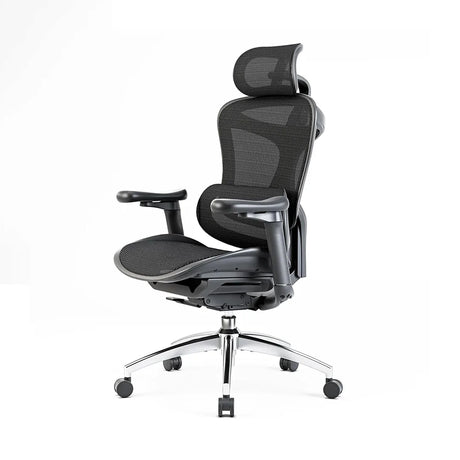
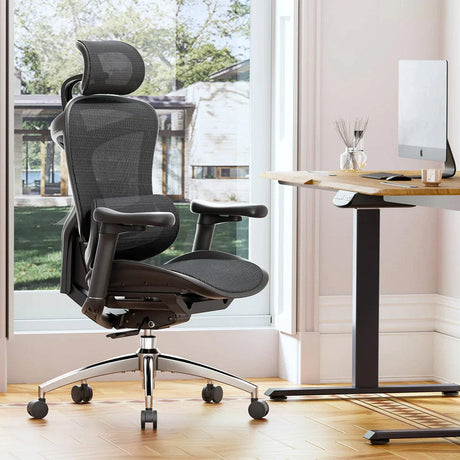
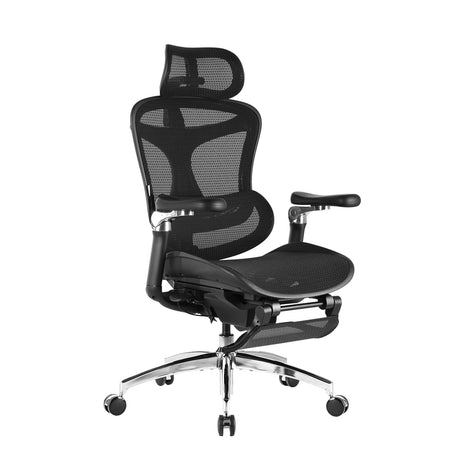
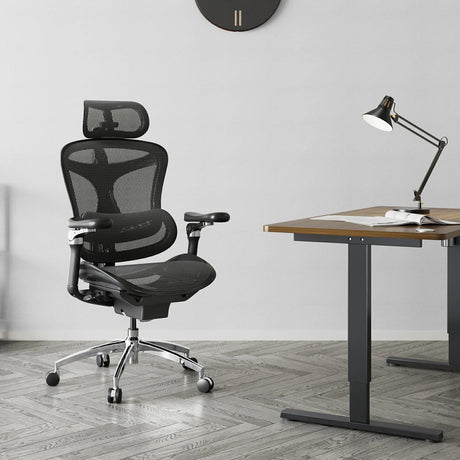
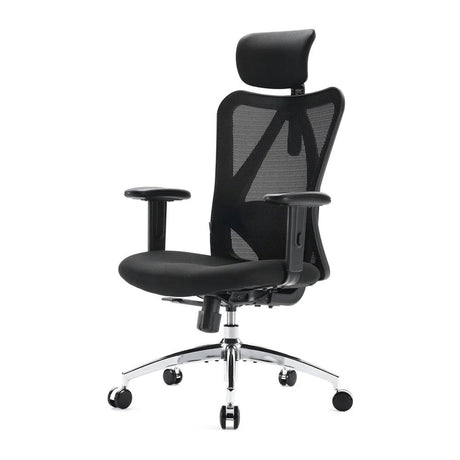
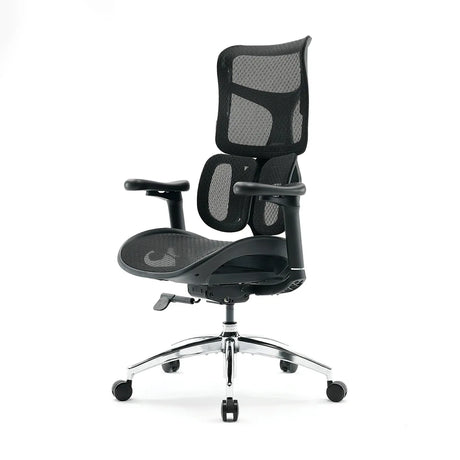
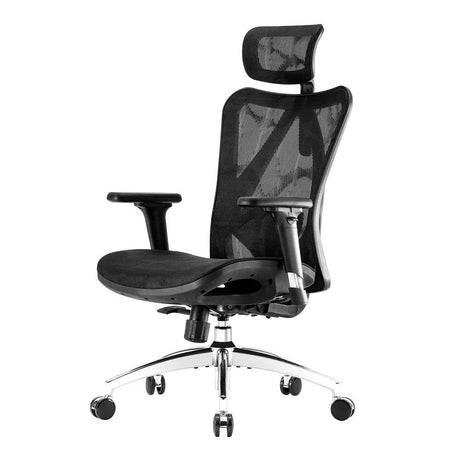
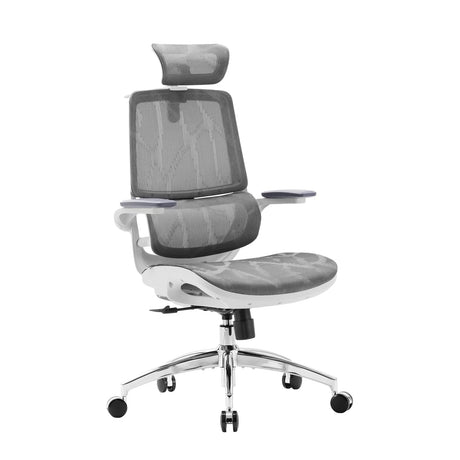
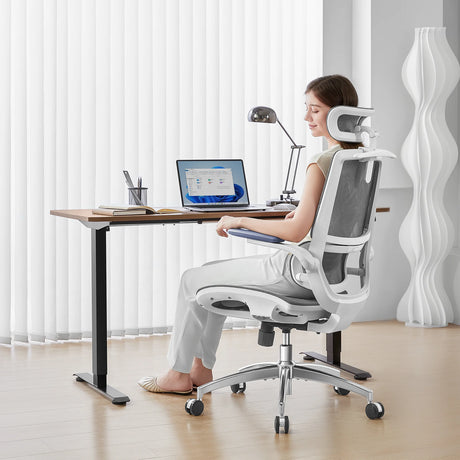
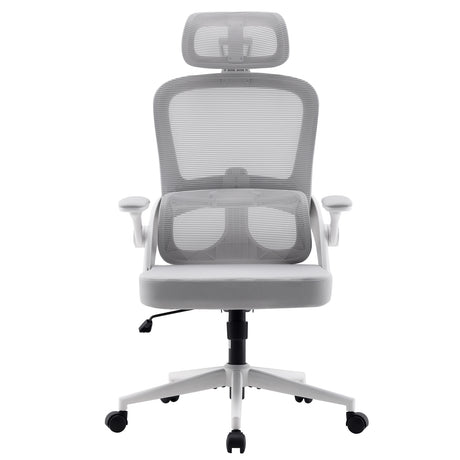
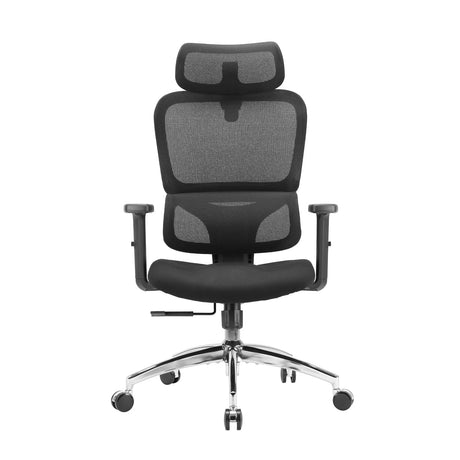
b. Use Ergonomic Furniture
Ergonomics doesn't eliminate the risks of prolonged sitting, but it prevents unnecessary strain.
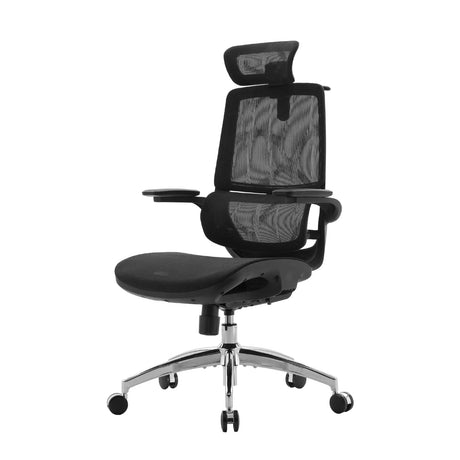
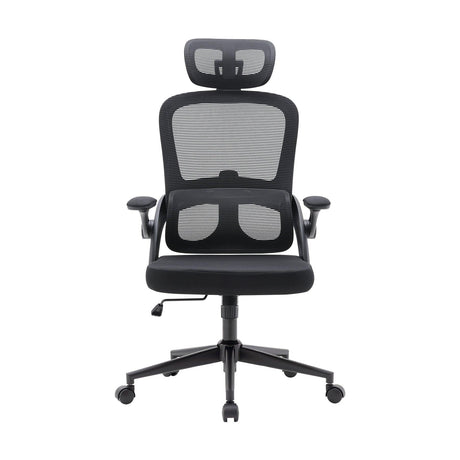
What an ergonomic chair should provide:
- Adjustable lumbar support
- Seat depth adjustment
- A waterfall seat edge to reduce leg pressure
- Breathable cushioning
- Adjustable armrests
- Recline function for spinal relief
Your workstation should allow you to:
- Keep feet flat on the floor
- Maintain neutral wrist position
- Keep screen at eye level
- Relax shoulders naturally
An ergonomic setup does not cure a sedentary lifestyle, but it significantly reduces musculoskeletal strain.
c. Standing Desk Habits
A standing desk can help—but only with proper use.
Good standing desk habits:
- Alternate between sitting and standing (e.g., 30 min standing, 30 min sitting)
- Keep elbows at 90 degrees
- Avoid locking knees
- Use a footrest or anti-fatigue mat
Standing all day is not the goal. Movement is.
d. Physical Activity Matters
Daily movement plays a major role in counteracting the effects of sitting.
Beneficial activities include:
- Walking (even short, frequent walks help)
- Stretching
- Strength training
- Yoga or Pilates
- Cycling
- Swimming
Aim for at least 150 minutes of moderate activity per week, but remember: exercise does not replace the need to break up sitting time.
e. Stretching and Strengthening Exercises
Stretch These Areas Daily:
- Hip flexors
- Hamstrings
- Calves
- Chest
- Upper back
Strengthen These Areas Weekly:
- Core
- Glutes
- Back muscles
- Legs
These exercises help maintain good posture and reduce pain.
8. Sample Daily Routine for a Healthier Sitting Schedule
Here’s a realistic daily plan for most desk workers:
Morning (9:00–12:00)
- 9:00–9:30: Sit and work
- 9:30–9:33: Stand and stretch
- 10:00–10:30: Stand at the desk
- 10:30–10:33: Walk around
- 11:00–11:30: Sit with proper posture
- 11:30–11:33: Leg and shoulder stretches
Afternoon (1:00–5:00)
- Alternate sitting and standing every 45 minutes
- Take a 3-minute walk every hour
- Stretch hip flexors mid-afternoon
- End the day with a 10-minute walk or light exercise
Evening
- Limit sedentary leisure time
- Incorporate movement during TV time
- Stretch before bed
9. Final Thoughts
Sitting is an unavoidable part of modern life, but that doesn’t mean it has to harm you. Understanding the risks empowers you to take control of your health. With practical adjustments—movement breaks, ergonomics, stretching, and balanced routines—you can dramatically reduce the negative effects of prolonged sitting.
It isn’t about eliminating sitting. It’s about restoring balance.
By integrating small habits into your day, you can protect your body, improve your mental performance, and add healthy years to your life.
FAQ
1. Is sitting all day really that harmful?
Yes. Studies consistently show that prolonged sitting is linked to cardiovascular disease, diabetes, obesity, musculoskeletal problems, and increased mortality risk. The danger is not the sitting itself, but the lack of movement.
2. How many hours of sitting per day is too much?
More than 8 hours a day is considered excessive, especially without activity breaks. The risks increase sharply after that threshold.
3. If I exercise regularly, am I protected from the risks of sitting?
Exercise helps but does not fully offset prolonged sitting. Even people who work out daily face risks if they sit for long uninterrupted periods.
4. Can standing desks prevent the side effects of sitting?
Standing desks help reduce sitting time, but alternating between sitting and standing is most effective. Standing still for long periods also has drawbacks.
5. What is the best sitting posture?
There is no single perfect posture. The best posture is the next one—meaning you should change positions frequently. However, ergonomic alignment (neutral spine, feet flat, elbows at 90 degrees) is the best baseline.
6. How often should I take a break from sitting?
Every 30–45 minutes, stand, stretch, or walk for 2–3 minutes. Frequent micro-breaks matter more than long, occasional breaks.
7. Can sitting too long cause permanent damage?
Chronic sitting can lead to long-term issues like disc degeneration, muscle imbalances, and cardiovascular disease. Many effects are reversible with consistent movement, but early prevention is key.
8. Why do my legs feel numb after sitting?
Numbness occurs when sitting restricts circulation or compresses nerves. Adjusting your posture, using a better chair, and moving regularly can help.
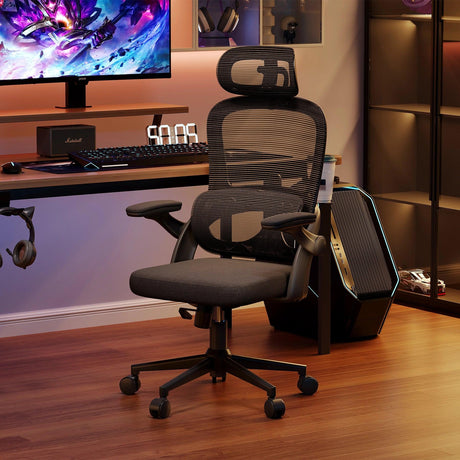
9. Are gaming chairs or office chairs better for long sitting sessions?
Ergonomic office chairs are generally more supportive for long-term use. Gaming chairs often prioritize aesthetics over lumbar support and adjustability.
10. What are quick exercises I can do at my desk?
- Shoulder rolls
- Seated spinal rotations
- Leg extensions
- Calf raises
- Hip flexor stretches
- Neck mobility exercises
These help reduce stiffness and improve blood flow.