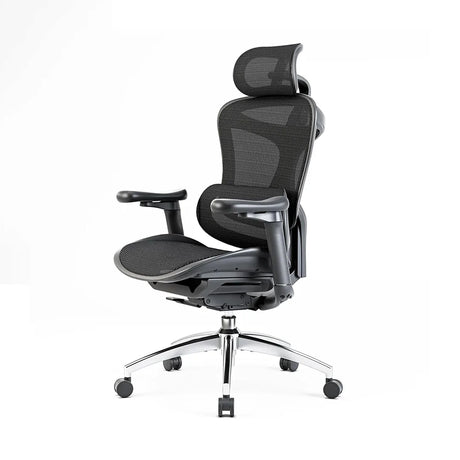
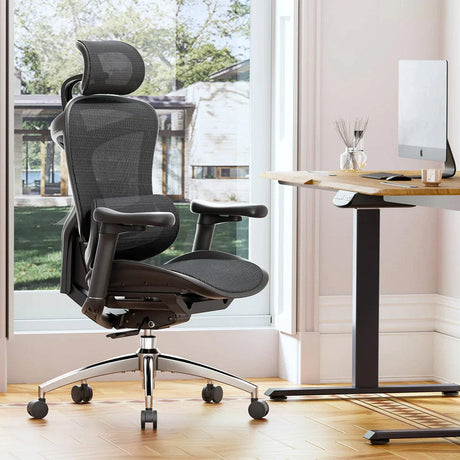
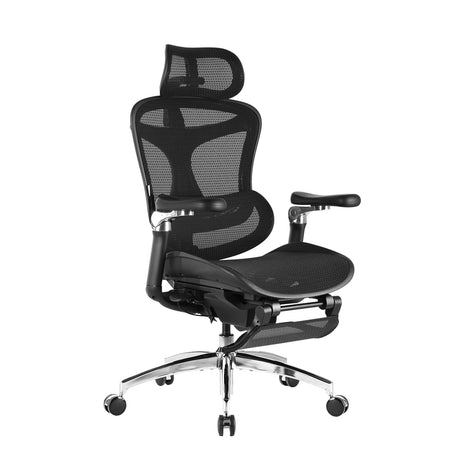
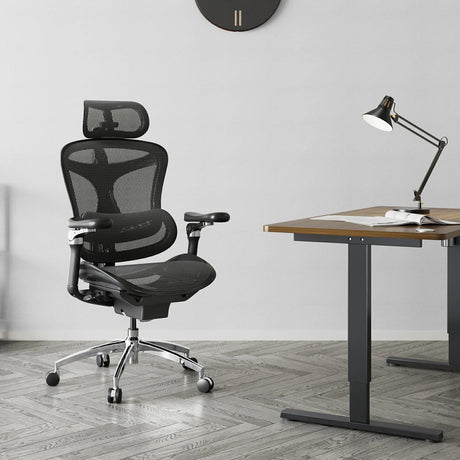
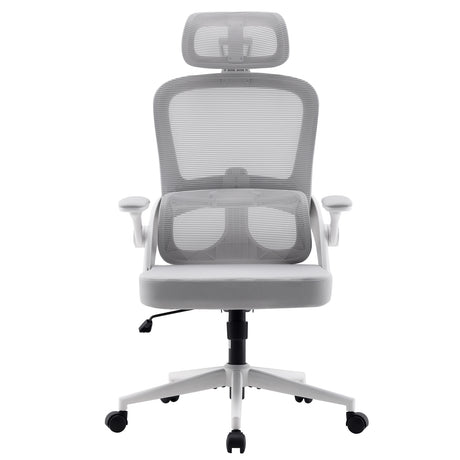
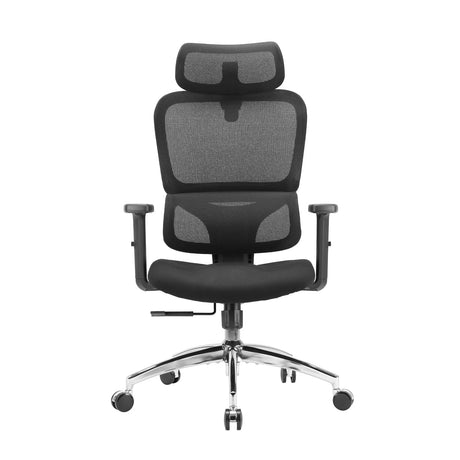
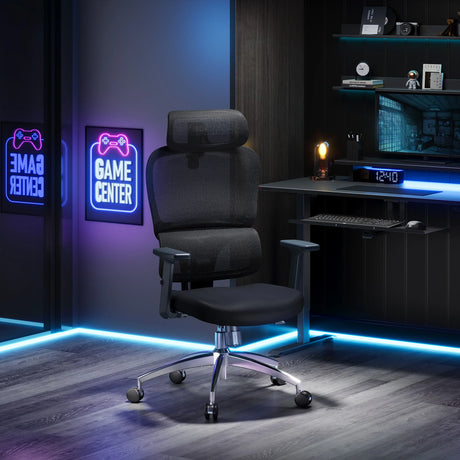
Lower back pain is a widespread problem affecting millions of men worldwide. It is a condition that not only impacts physical health but can also affect productivity, mental health, and overall quality of life. While lower back pain can affect people of all ages and genders, men are particularly susceptible due to certain anatomical, occupational, and lifestyle factors. Understanding the causes, risk factors, and preventive measures is key to managing and alleviating this common problem.
1. Introduction
Lower back pain is one of the leading causes of disability worldwide. Men are more likely than women to experience certain types of back pain due to factors such as muscle mass distribution, occupational demands, and lifestyle choices. Pain in the lower back can range from a mild, intermittent ache to severe, chronic pain that affects mobility and daily activities.
Understanding the underlying causes is crucial because lower back pain is often a symptom rather than a standalone condition. Proper diagnosis and management require awareness of anatomy, lifestyle influences, and medical conditions that predominantly affect men.
2. Anatomy of the Male Lower Back
The lower back, or lumbar region, comprises several structures that work together to provide stability, flexibility, and support for the upper body:
-
Vertebrae: The lumbar spine consists of five vertebrae (L1-L5), which are the largest and strongest in the spine.
-
Intervertebral Discs: Cushioning pads between vertebrae that absorb shocks and allow flexibility.
-
Muscles and Ligaments: Muscles such as the erector spinae and multifidus support posture and movement, while ligaments maintain spinal alignment.
- Nerves: The lumbar spine contains nerve roots that transmit signals to the legs and lower body. Compression or irritation of these nerves can result in pain.
Disruption, strain, or injury to any of these components can trigger lower back pain.
3. Common Causes of Lower Back Pain in Men
3.1 Muscular and Ligament Strain
The most common cause of lower back pain is muscle or ligament strain. Heavy lifting, sudden movements, or overuse can stretch or tear muscles and ligaments, resulting in inflammation and pain. Men who engage in sports, physical labor, or frequent weightlifting are particularly susceptible.
Symptoms:
- Muscle stiffness or tightness
- Localized pain that worsens with movement
- Difficulty standing straight or bending
3.2 Herniated Discs
A herniated or slipped disc occurs when the inner gel-like material of a disc protrudes through the outer layer, pressing on nearby nerves. This condition is more common in men aged 30-50 and can result from repetitive strain, injury, or age-related degeneration.
Symptoms:
- Sharp, shooting pain down one leg (sciatica)
- Numbness or tingling in the legs
- Weakness in the lower extremities
3.3 Degenerative Disc Disease
Degenerative disc disease is the gradual breakdown of intervertebral discs due to aging. Men are prone to disc degeneration earlier than women due to higher levels of physical activity and mechanical stress on the spine.
Symptoms:
- Chronic lower back pain that flares with activity
- Reduced flexibility
- Pain relief when changing positions
3.4 Osteoarthritis and Spinal Stenosis
Osteoarthritis in the spine leads to the breakdown of cartilage, while spinal stenosis involves narrowing of the spinal canal. Both conditions are more likely to affect men over 50 and can cause compression of spinal nerves.
Symptoms:
- Chronic, dull lower back pain
- Numbness or tingling in the legs
- Pain that worsens with standing or walking
3.5 Poor Posture
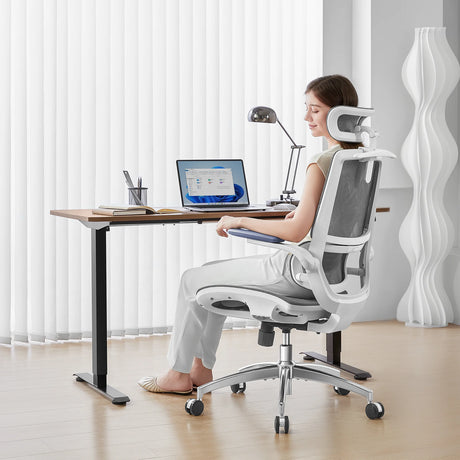
Men who spend long hours sitting, especially in front of computers, are prone to postural issues. Slouching or leaning forward increases stress on the lumbar spine, leading to muscular fatigue and pain.
Symptoms:
- Aching in the lower back after prolonged sitting
- Stiffness in the morning or after inactivity
3.6 Obesity and Lifestyle Factors
Excess weight, particularly around the abdomen, shifts the center of gravity and puts additional strain on the lumbar spine. Sedentary lifestyles, smoking, and poor nutrition further exacerbate spinal degeneration and pain.
Symptoms:
- Generalized lower back discomfort
- Increased fatigue during physical activity
3.7 Occupational Hazards
Men in physically demanding jobs—construction workers, warehouse staff, and drivers—are at higher risk of back pain due to repetitive lifting, heavy bending, or prolonged sitting.
Symptoms:
- Pain related to work activities
- Relief when off-duty or during rest periods
3.8 Mental Health and Stress
Psychological factors such as stress, anxiety, and depression can contribute to muscle tension and increased perception of pain. Men often underreport stress-related symptoms, which can exacerbate chronic back pain.
Symptoms:
- Persistent muscle tightness
- Pain that fluctuates with mood
- Difficulty sleeping due to discomfort
4. Risk Factors for Men
Several factors increase the likelihood of lower back pain in men:
-
Age: Risk increases after 30 due to disc degeneration and decreased flexibility.
-
Sedentary Lifestyle: Lack of exercise weakens core muscles.
-
Occupational Strain: Heavy lifting or prolonged sitting increases risk.
-
Obesity: Extra weight increases spinal load.
-
Smoking: Reduces blood flow to spinal tissues, delaying healing.
- Genetics: Family history of spine issues may predispose men to back pain.
5. Symptoms to Watch For
Men experiencing lower back pain should monitor for warning signs that may indicate serious underlying conditions:
- Persistent pain lasting more than six weeks
- Numbness, tingling, or weakness in the legs
- Pain accompanied by fever or unexplained weight loss
- Loss of bladder or bowel control (emergency symptom)
Early recognition of these symptoms can prevent complications and improve treatment outcomes.
6. Preventive Measures and Lifestyle Adjustments
Preventing lower back pain involves addressing modifiable risk factors:
-
Exercise Regularly: Focus on core strengthening and flexibility exercises.
-
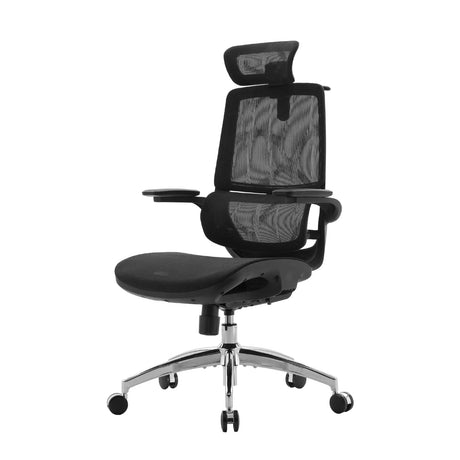
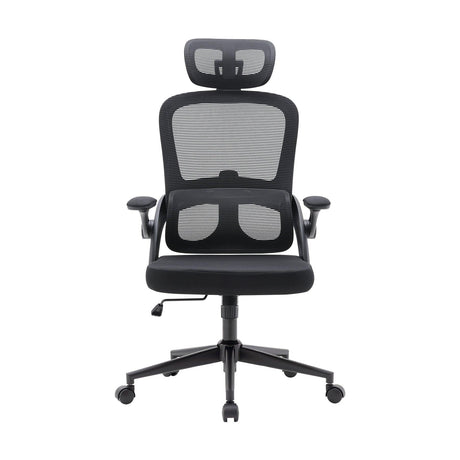
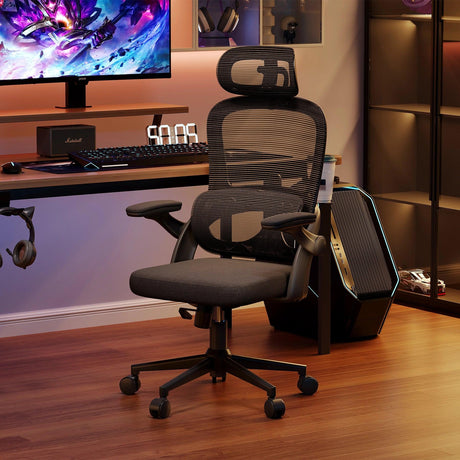
Maintain Proper Posture: Adjust seating and computer ergonomics.
-
Healthy Weight Management: Reduces spinal stress.
-
Lift Correctly: Use legs, not the back, for lifting heavy objects.
-
Quit Smoking: Enhances tissue health and healing.
- Stress Management: Yoga, meditation, or breathing exercises can reduce muscle tension.
7. Treatment Options
7.1 Non-Surgical Approaches
Most lower back pain in men responds to conservative treatments:
-
Physical Therapy: Strengthens muscles and improves flexibility.
-
Pain Medications: NSAIDs or acetaminophen to relieve pain and inflammation.
-
Heat/Cold Therapy: Reduces muscle spasms and inflammation.
- Lifestyle Modifications: Adjusting posture, improving ergonomics, and regular activity.
7.2 Surgical Interventions
Surgery is rarely required but may be necessary in severe cases such as herniated discs, spinal stenosis, or chronic pain unresponsive to conservative measures. Procedures include:
-
Discectomy: Removal of a herniated disc portion.
-
Spinal Fusion: Stabilizing vertebrae in cases of severe degeneration.
- Laminectomy: Relieving nerve compression by removing part of the vertebra.
8. FAQ: Lower Back Pain in Men
Q1: Why do men get lower back pain more than women?
A1: Men are more likely to engage in physically demanding activities, have different fat distribution, and often underreport symptoms, which can lead to chronic conditions.
Q2: Can lower back pain be prevented?
A2: Yes. Regular exercise, maintaining proper posture, healthy weight, and stress management can significantly reduce the risk.
Q3: How long does lower back pain last?
A3: Acute pain typically lasts a few days to weeks, while chronic pain persists for more than three months.
Q4: When should I see a doctor?
A4: Seek medical attention if pain persists, is severe, or is accompanied by numbness, weakness, or bladder/bowel problems.
Q5: Are there specific exercises for men with lower back pain?
A5: Yes. Core strengthening, pelvic tilts, bridges, and gentle stretching are highly effective in reducing pain and preventing recurrence.
9. Conclusion
Lower back pain in men is a multifactorial condition influenced by anatomy, lifestyle, occupation, and age. Understanding the causes, risk factors, and preventive measures is essential for effective management. While most cases are manageable through conservative treatments, persistent or severe symptoms require professional evaluation to prevent long-term complications.
By adopting a proactive approach that combines proper ergonomics, physical activity, and stress management, men can maintain a healthy spine and significantly reduce the likelihood of lower back pain affecting their daily life.