Lower back pain is one of the most widespread health complaints in the modern world. It affects people of all ages, professions, and lifestyles, and it remains a leading cause of missed workdays and reduced quality of life. Despite its prevalence, lower back pain is often misunderstood. Many people assume it stems from a single injury or condition, when in reality, the most common problem behind lower back pain is far more complex.
This article explores what the most common problem with lower back pain truly is, why it persists, how modern habits contribute to it, and why treatment often fails without addressing the root cause. We’ll also examine common misconceptions, risk factors, and practical strategies for long-term prevention.
Table of Contents
-
Understanding Lower Back Pain
-
Why Lower Back Pain Is So Common
-
The Most Common Problem: Mechanical and Postural Dysfunction
-
Poor Movement Patterns and Muscle Imbalance
-
Sedentary Lifestyle and Prolonged Sitting
-
Weak Core and Spinal Instability
-
Degenerative Changes vs Functional Pain
-
Why Imaging Often Fails to Explain Pain
-
Acute vs Chronic Lower Back Pain
-
Psychological and Behavioral Factors
-
Workplace and Ergonomic Contributors
-
Why Lower Back Pain Keeps Coming Back
-
Common Myths About Lower Back Pain
-
When Lower Back Pain Signals a Serious Issue
-
Long-Term Strategies for Managing and Preventing Pain
- FAQs About Lower Back Pain
1. Understanding Lower Back Pain
The lower back, also known as the lumbar spine, is a complex structure made up of vertebrae, intervertebral discs, muscles, ligaments, nerves, and joints. Its primary role is to support the upper body while allowing flexibility and movement.
Because the lower back bears so much load and adapts to nearly every movement we make—standing, walking, sitting, bending—it is especially vulnerable to dysfunction. Lower back pain is not a single condition but a symptom that can arise from many overlapping factors.
2. Why Lower Back Pain Is So Common
Lower back pain is common for three main reasons:
-
The lumbar spine carries significant mechanical stress
-
Modern lifestyles promote poor posture and limited movement
- Pain often develops gradually, not from a single event
Unlike acute injuries, many people with lower back pain cannot identify a specific cause. The discomfort may begin as stiffness, fatigue, or mild soreness and gradually worsen over time.
3. The Most Common Problem: Mechanical and Postural Dysfunction
The Core Issue
The most common problem with lower back pain is mechanical dysfunction caused by poor posture, improper movement patterns, and muscular imbalance, rather than a serious structural injury.
This type of pain is often referred to as mechanical lower back pain, and it accounts for the majority of cases worldwide.
What Mechanical Dysfunction Means
Mechanical dysfunction occurs when:
- Muscles do not support the spine evenly
- Certain joints move too much while others move too little
- The spine remains in stressful positions for long periods
Over time, this imbalance places excessive strain on the lower back, leading to pain, stiffness, and reduced mobility.

4. Poor Movement Patterns and Muscle Imbalance
Muscle Imbalance Explained
Muscle imbalance happens when some muscles become overactive and tight, while others become weak or underused. In the lower back, this often involves:
- Tight hip flexors
- Weak gluteal muscles
- Underactive deep core muscles
- Overworked lower back muscles
When these imbalances persist, the lower back compensates for the lack of support, increasing strain on spinal tissues.
Everyday Movements That Contribute
- Bending from the waist instead of the hips
- Lifting objects with a rounded back
- Twisting while carrying weight
- Sitting without back support
These habits may feel harmless in the moment but accumulate stress over time.
5. Sedentary Lifestyle and Prolonged Sitting
Sitting Is One of the Biggest Contributors
Extended sitting is one of the most underestimated causes of lower back pain. When sitting:
- Hip flexors shorten
- Core muscles disengage
- Lumbar discs experience sustained pressure
- Blood flow to spinal tissues decreases
Over time, the spine adapts poorly to prolonged sitting, making it less resilient when standing or moving.
Why “No Injury” Still Causes Pain
Many people develop lower back pain without any accident or trauma. The problem is not what they did—but what they did not do, such as:
- Regular movement
- Strengthening stabilizing muscles
- Changing posture frequently
6. Weak Core and Spinal Instability
Core Strength Is About Stability, Not Appearance
A weak core does not mean visible weakness—it means insufficient support for the spine. The deep core muscles, including the transverse abdominis and multifidus, play a critical role in stabilizing the lower back.
When these muscles fail to activate properly:
- The spine relies on passive structures like ligaments and discs
- Fatigue sets in more quickly
- Pain becomes more likely during daily activities
Common Misconception
Many people believe sit-ups or crunches strengthen the core effectively. In reality, poor exercise selection can worsen lower back strain rather than improve stability.
7. Degenerative Changes vs Functional Pain
Age-Related Changes Are Normal
Imaging tests often show:
- Disc degeneration
- Mild disc bulges
- Joint wear
These findings are common even in people without pain. Degeneration alone does not explain most lower back pain cases.
Functional Pain Is More Common Than Structural Damage
Functional pain results from how the body moves and loads the spine—not from visible damage. This is why many people experience pain despite “normal” scan results.
8. Why Imaging Often Fails to Explain Pain
The Limits of X-Rays and MRIs
Imaging shows structure, not function. It cannot reveal:
- Muscle coordination issues
- Postural habits
- Movement inefficiencies
As a result, scans may appear alarming without correlating to symptoms—or appear normal while pain persists.
Overreliance on Imaging
Focusing too much on imaging findings can:
- Increase fear of movement
- Lead to unnecessary interventions
- Delay functional recovery
9. Acute vs Chronic Lower Back Pain
Acute Pain
- Lasts less than 6 weeks
- Often linked to overuse or sudden strain
- Typically improves with rest and gradual movement
Chronic Pain
- Persists longer than 12 weeks
- Often involves behavioral, mechanical, and psychological factors
- Requires a broader management approach
The most common problem in chronic cases is failure to address underlying movement and lifestyle factors.
10. Psychological and Behavioral Factors
Stress and Pain Are Connected
Stress increases muscle tension and alters pain perception. People under prolonged stress may experience:
- Increased muscle guarding
- Reduced pain tolerance
- Slower recovery
Fear Avoidance
Avoiding movement due to fear of pain often leads to:
- Muscle weakening
- Joint stiffness
- Greater long-term discomfort
11. Workplace and Ergonomic Contributors
Poor Ergonomics Add Daily Stress
Common workplace issues include:
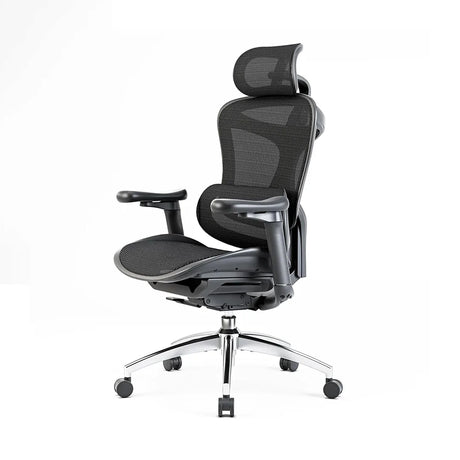
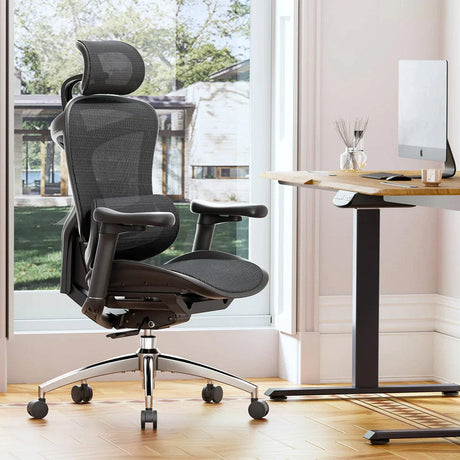
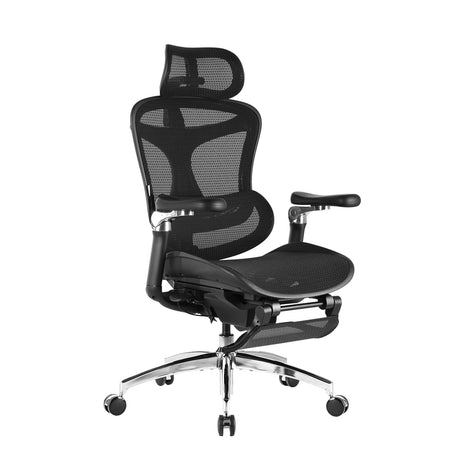
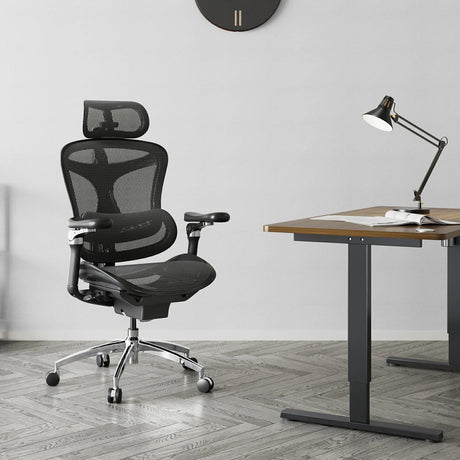
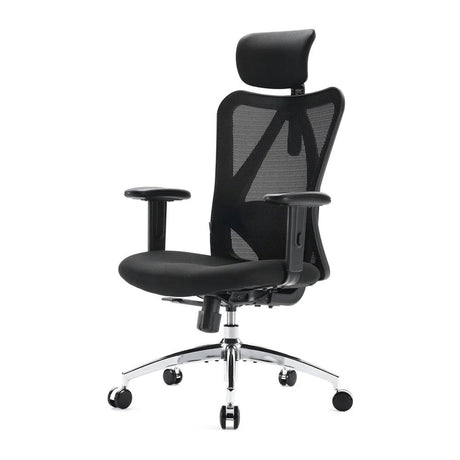
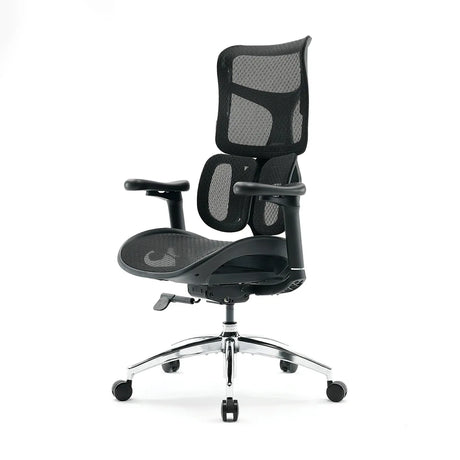
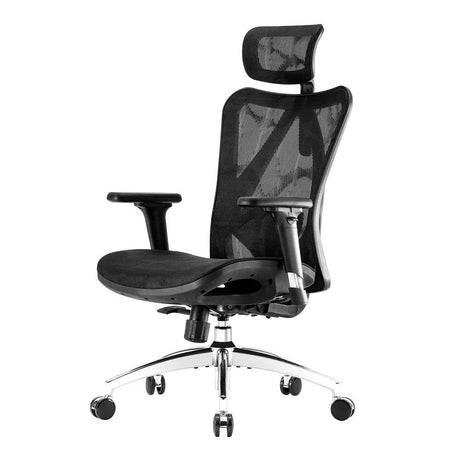
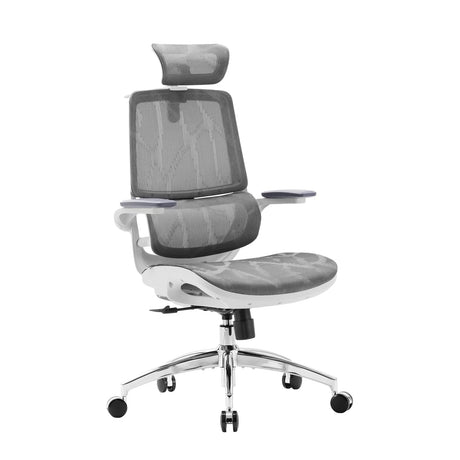
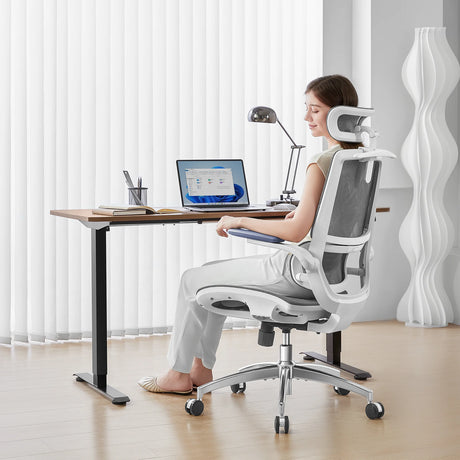
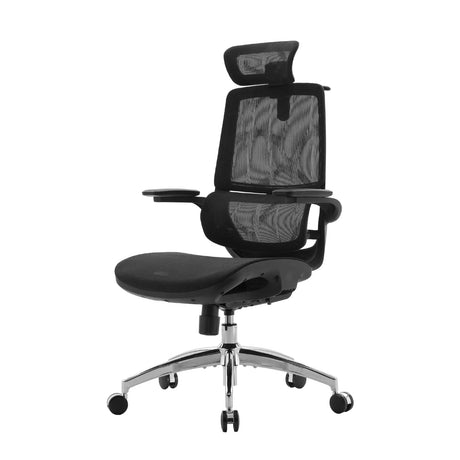
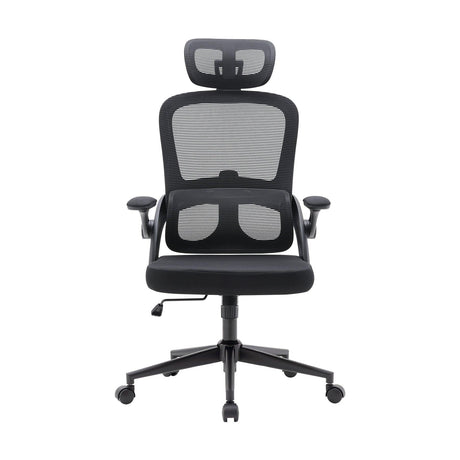
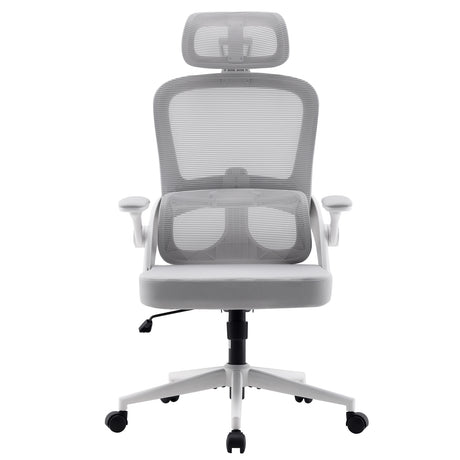
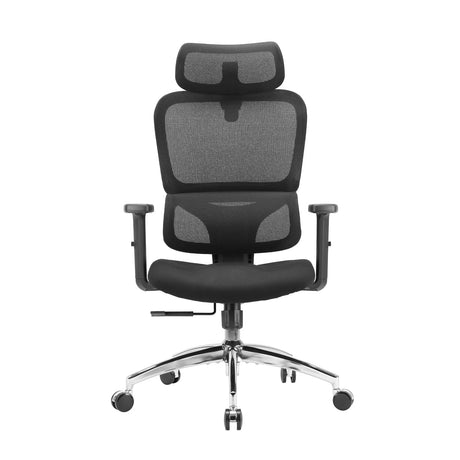
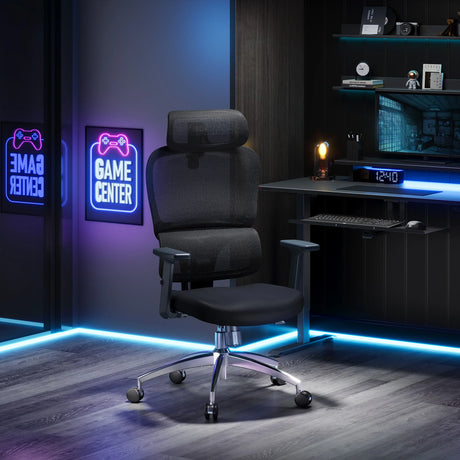
- Chairs without lumbar support
- Screens positioned too low or high
- Desks that encourage slouching
- Lack of movement breaks
Over time, these conditions reinforce harmful postures and overload the lower back.

12. Why Lower Back Pain Keeps Coming Back
Lower back pain often recurs because:
- Symptoms are treated instead of causes
- Temporary relief masks underlying dysfunction
- Old movement habits return once pain fades
Without addressing posture, strength, and movement quality, pain cycles tend to repeat.
13. Common Myths About Lower Back Pain
Myth 1: Rest Is the Best Treatment
Prolonged rest often delays recovery.
Myth 2: Pain Means Damage
Pain does not always indicate injury or degeneration.
Myth 3: Surgery Is the Only Solution
Most lower back pain cases do not require surgical intervention.
14. When Lower Back Pain Signals a Serious Issue
While most lower back pain is mechanical, medical evaluation is important if pain:
- Is constant and worsening
- Is accompanied by unexplained weight loss
- Occurs after significant trauma
- Includes numbness, weakness, or bladder changes
These situations are uncommon but require professional assessment.
15. Long-Term Strategies for Managing and Preventing Pain
The most effective long-term approach includes:
- Improving posture awareness
- Building functional core strength
- Encouraging frequent movement
- Optimizing work and home ergonomics
- Addressing stress and sleep quality
Consistency matters more than intensity.
16. Frequently Asked Questions (FAQ)
What is the most common cause of lower back pain?
The most common cause is mechanical dysfunction related to poor posture, muscle imbalance, and prolonged inactivity.
Is lower back pain usually serious?
In most cases, lower back pain is not linked to serious disease and improves with proper management.
Why does my lower back hurt even without injury?
Gradual strain from sitting, poor posture, and weak stabilizing muscles can cause pain without a clear injury.
Does aging automatically cause lower back pain?
No. Many age-related changes are normal and painless. Lifestyle factors play a larger role.
Can lower back pain be prevented?
Yes. Regular movement, ergonomic awareness, and proper muscle support significantly reduce risk.
Final Thoughts
The most common problem with lower back pain is not a damaged spine—it is how the spine is used, supported, and stressed over time. Understanding this shifts the focus away from fear and toward practical, sustainable solutions. By addressing posture, movement habits, and daily behaviors, most people can reduce discomfort and improve long-term spinal health.