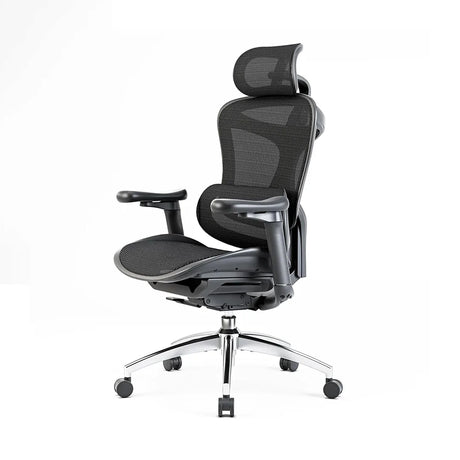
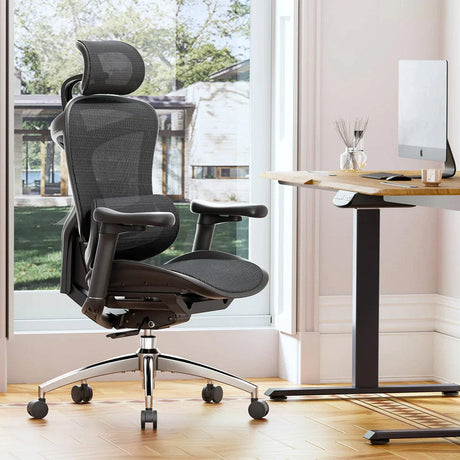
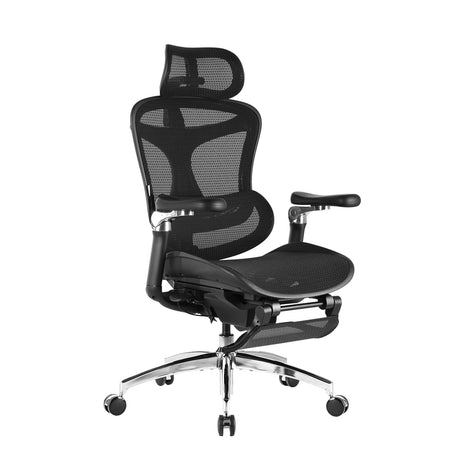
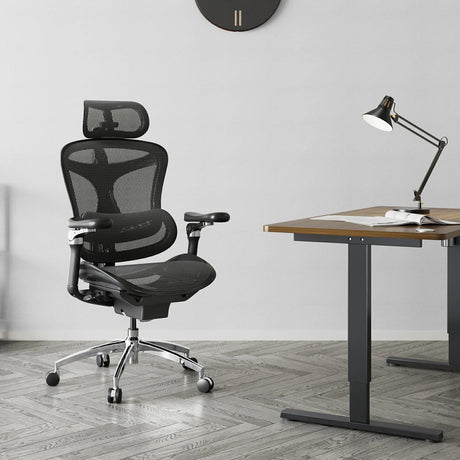
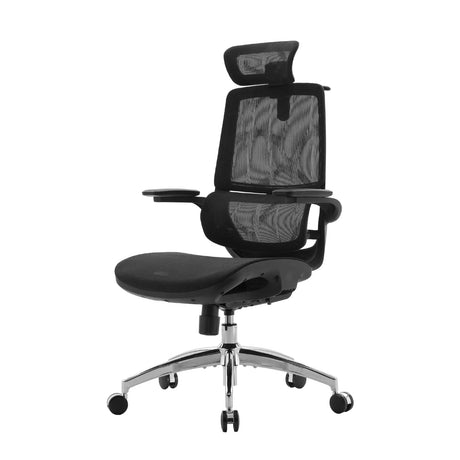
Modern work habits have dramatically changed the way people interact with their workspace. Long hours at a desk, whether in an office or a home setup, place significant strain on the body—particularly the shoulders, neck, and arms. While many people focus on lumbar support or seat cushioning when choosing an ergonomic chair, armrests are equally important for maintaining healthy posture and reducing fatigue.
In recent years, 6D armrests have become a feature found on premium ergonomic office chairs. Unlike traditional fixed armrests or even basic adjustable versions, 6D armrests provide multiple directions of movement designed to adapt to different working positions, body types, and tasks.
But what exactly are 6D armrests, and why do they matter? This article explores the purpose, functionality, ergonomic benefits, and practical value of 6D armrests on an ergonomic office chair. By understanding how they work, users can better evaluate whether this feature is worth considering when upgrading their workspace.
Understanding Armrests in Ergonomic Chairs
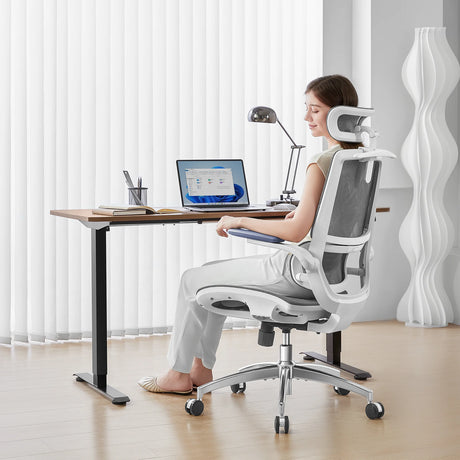
Armrests serve a fundamental purpose: supporting the arms to reduce the load on the shoulders and upper back. When armrests are properly positioned, they help maintain a neutral posture by allowing the shoulders to relax and preventing the upper body from leaning forward.
Without proper arm support, several issues may arise:
- Shoulder tension
- Neck strain
- Wrist fatigue
- Poor typing posture
- Increased pressure on the spine
Traditional office chairs often feature fixed armrests that do not adjust at all. While these may provide some support, they rarely accommodate different body types or desk heights.
To address this limitation, ergonomic chairs began introducing adjustable armrests, starting with 2D and 3D adjustments. Over time, as workstation setups became more complex—incorporating laptops, multiple monitors, tablets, and gaming—more advanced systems like 6D armrests emerged.
What Are 6D Armrests?
The term 6D armrests refers to armrests that allow six independent directions of adjustment, giving users a highly customizable level of support.
These six dimensions typically include:
- Height adjustment
- Forward and backward movement
- Left and right movement
- Angle rotation
- Armrest pad tilt
- Synchronized movement with recline or coordinated positioning
Together, these adjustments allow the armrests to match a wide range of sitting positions, including typing, reclining, gaming, reading, and even phone use.
The goal of this design is simple: to keep the arms naturally supported regardless of how the user sits or works.

The Six Adjustment Dimensions Explained
Understanding each dimension helps illustrate why 6D armrests provide more ergonomic benefits than simpler armrest designs.
1. Height Adjustment
Height adjustment is the most fundamental armrest feature.
It allows the armrests to move up and down, enabling users to align them with their desk height and elbow position.
The correct height should allow the elbows to rest comfortably at about 90 degrees, keeping the shoulders relaxed.
Benefits include:
- Reduced shoulder tension
- Better typing posture
- Lower neck strain
If armrests are too low, users may lean forward. If they are too high, shoulders can become elevated and tense.
Height adjustability ensures that the arms remain properly supported.
2. Forward and Backward Adjustment
This function allows the armrest pads to slide forward or backward.
This movement is particularly useful for:
- People with different arm lengths
- Switching between keyboard and mouse positions
- Supporting the forearms while reclining
For example, when typing, users may want the armrests closer to the body. When reclining, moving them forward helps maintain forearm support.
This adjustment prevents unsupported forearms, which often lead to shoulder fatigue.
3. Left and Right Adjustment
The width adjustment allows armrests to move inward or outward.
This is especially important because shoulder widths vary significantly between individuals.
By adjusting the armrests closer or farther apart, users can:
- Maintain natural arm positioning
- Avoid elbows flaring outward
- Reduce shoulder strain
Proper width alignment also supports ergonomic keyboard positioning, keeping the arms closer to the torso.
4. Angle Rotation
Rotation allows the armrest pads to pivot inward or outward.
This adjustment is useful for different activities such as:
- Typing
- Gaming
- Using a phone
- Reading
For example, when typing on a keyboard, inward rotation can align the armrests with the natural angle of the forearms.
Gamers or designers using a mouse may prefer a slightly outward angle.
This flexibility improves wrist alignment and arm comfort.
5. Armrest Pad Tilt
Some 6D systems allow the armrest pads to tilt up or down.
This subtle adjustment improves support when:
- Leaning back
- Holding a mobile device
- Working with a tablet
- Resting the arms while thinking or reading
Tilt adjustment ensures the forearms stay supported even when the body position changes.
6. Coordinated or Dynamic Movement
The final dimension often involves synchronized movement with the chair’s recline mechanism or additional dynamic positioning.
This feature allows the armrests to move naturally as the user leans back, ensuring continuous support.
Without this function, armrests may move away from the arms during reclining.
Dynamic armrest movement helps maintain consistent support across multiple seating angles.

Why 6D Armrests Matter for Ergonomics
The human body rarely stays in one position for long. During a typical workday, people shift between typing, reading, watching screens, or leaning back for brief breaks.
A chair that only supports one posture can quickly become uncomfortable.
6D armrests solve this problem by allowing the chair to adapt to movement rather than forcing the user into a fixed position.
Key ergonomic advantages include:
1. Shoulder Relief
When arms are unsupported, shoulder muscles must remain engaged to hold them up. Over time, this causes fatigue and tension.
Proper armrest positioning reduces that load significantly.
2. Improved Upper-Body Alignment
Armrests help keep the arms close to the body, encouraging better posture.
This alignment helps prevent slouching and forward shoulder positioning.
3. Reduced Wrist Pressure
Adjustable armrests allow the forearms to stay supported while typing or using a mouse, reducing stress on the wrists.
4. Enhanced Comfort During Long Work Hours
Small adjustments can make a major difference when sitting for extended periods.
The ability to fine-tune armrest position allows users to maintain comfort throughout the day.
How 6D Armrests Support Different Work Activities
One reason advanced armrests have gained popularity is that modern work involves more than just typing.
Different tasks require different arm positions.
Typing and Keyboard Work
In typing positions, inward rotation and height adjustment help align the arms naturally with the keyboard.
This reduces strain on the wrists and shoulders.
Mouse Use and Design Work
Designers and gamers often rely heavily on mouse movements.
Forward sliding armrests can support the forearm while allowing free wrist motion.
This reduces fatigue during precision tasks.
Video Calls and Meetings
During calls or meetings, users often lean back.
Dynamic armrest positioning ensures the arms remain supported even while reclining.
Reading or Phone Use
Armrest tilt and rotation can create a comfortable resting angle when holding a phone or tablet.
Comparing 6D Armrests with Other Armrest Types
To better understand the value of 6D armrests, it helps to compare them with simpler designs.
|
Armrest Type |
Adjustments |
Typical Use |
|
Fixed Armrests |
None |
Basic office chairs |
|
2D Armrests |
Height + width |
Entry-level ergonomic chairs |
|
3D Armrests |
Height + depth + width |
Mid-range ergonomic chairs |
|
4D Armrests |
Height + depth + width + rotation |
Advanced ergonomic chairs |
|
6D Armrests |
Multi-directional adjustments + tilt + dynamic movement |
Premium ergonomic chairs |
While 4D armrests already provide excellent adjustability, 6D armrests offer greater flexibility for complex work setups and varied sitting styles.
Who Benefits Most from 6D Armrests?
Not every user requires the full range of adjustments offered by 6D armrests. However, certain groups benefit significantly from them.
Remote Workers
People working from home often spend long hours at their desks. The ability to adjust armrests frequently can improve comfort throughout the day.
Gamers
Gaming sessions can last several hours, and precise arm positioning is important for mouse and keyboard control.
Designers and Creatives
Graphic designers, video editors, and illustrators rely heavily on fine arm movements. Proper forearm support helps maintain control and reduce fatigue.
People with Shoulder or Neck Discomfort
Users experiencing upper-body tension may find that adjustable armrests help relieve pressure on these areas.
Choosing an Ergonomic Chair with 6D Armrests
When evaluating a chair with 6D armrests, several factors should be considered.
Adjustment Range
The wider the adjustment range, the more adaptable the chair will be to different users.
Stability
Armrests should feel stable and secure even when adjusted frequently.
Cushioning
Armrest pads should be comfortable but firm enough to support the forearms.
Ease of Adjustment
Controls should be simple to use so users can adjust positions without interrupting work.
Are 6D Armrests Necessary?
Whether 6D armrests are necessary depends on individual needs.
For many users, 4D armrests already provide sufficient flexibility.
However, 6D armrests offer additional comfort for people who:
- Work long hours at a desk
- Frequently change sitting positions
- Use multiple devices during the day
- Want a highly customizable seating experience
For premium ergonomic chairs, 6D armrests represent an evolution toward fully adaptive workstation seating.
The Future of Ergonomic Armrest Design
As work environments continue to evolve, ergonomic chair design is also advancing.
Future armrest systems may include:
- Smart posture sensors
- Automatic adjustments
- Integrated device support
- AI-assisted ergonomic positioning
These developments aim to create chairs that actively respond to user posture and movement.

Frequently Asked Questions (FAQ)
1.What does 6D mean in armrests?
6D refers to six different adjustment directions that allow armrests to move in multiple ways, including height, depth, width, rotation, tilt, and synchronized movement.
2.Are 6D armrests better than 4D armrests?
6D armrests provide greater flexibility and more adjustment options, but whether they are better depends on the user's needs and work habits.
3.Do armrests actually improve posture?
Yes. Properly adjusted armrests support the arms and shoulders, helping maintain better upper-body alignment and reducing strain.
4.Can armrests help prevent shoulder pain?
Armrests reduce the load placed on shoulder muscles by supporting the arms, which can help minimize shoulder tension during long work sessions.
5.Should armrests be level with the desk?
Ideally, armrests should be at or slightly below desk height so the forearms remain supported while typing.
6.Are adjustable armrests important for ergonomic chairs?
Adjustable armrests are an essential feature of ergonomic chairs because they allow users to customize support based on their body size and work setup.
Conclusion
6D armrests represent one of the most advanced ergonomic features available in modern office chairs. By offering six independent directions of adjustment, they provide a level of customization that traditional armrests cannot match.
Their primary purpose is to support the arms in multiple working positions, reducing strain on the shoulders, neck, and wrists. Whether typing, gaming, designing, or simply relaxing between tasks, adjustable armrests help maintain a comfortable and balanced posture.
As workplace ergonomics continues to evolve, features like 6D armrests reflect a broader shift toward adaptive furniture designed to support the dynamic nature of modern work. For users seeking maximum comfort and flexibility, chairs equipped with advanced armrest systems can play a meaningful role in improving daily productivity and long-term physical well-being.