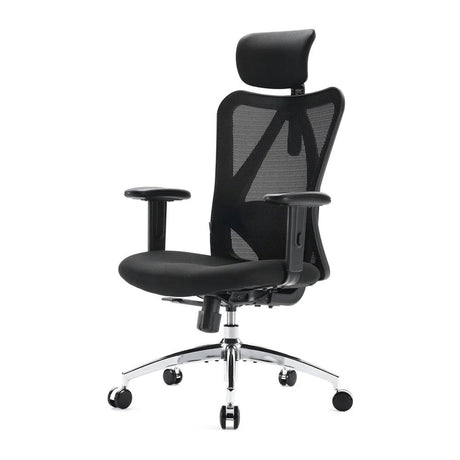
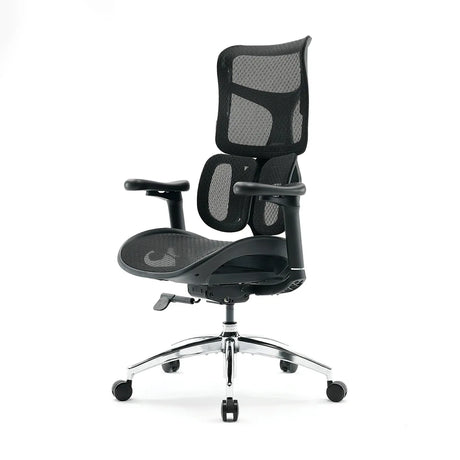
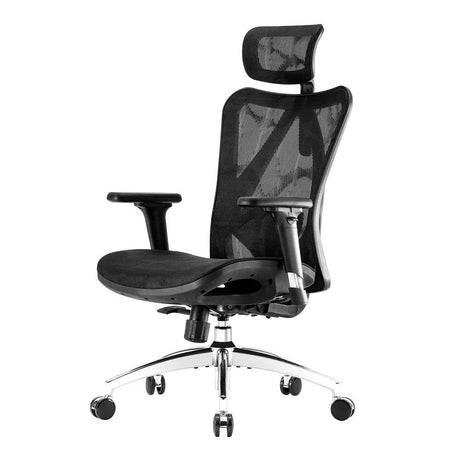
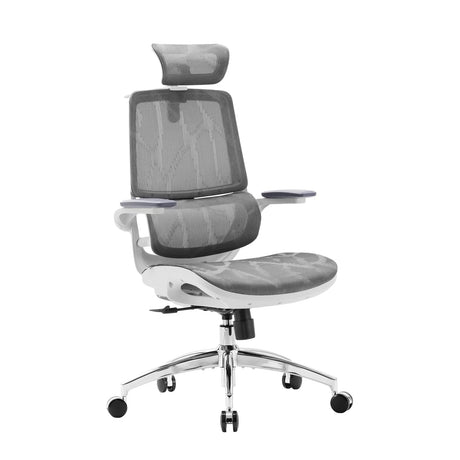
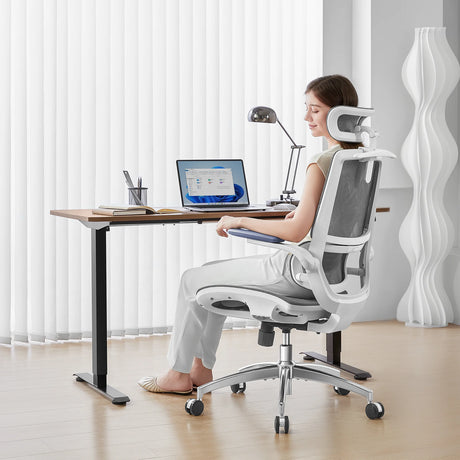
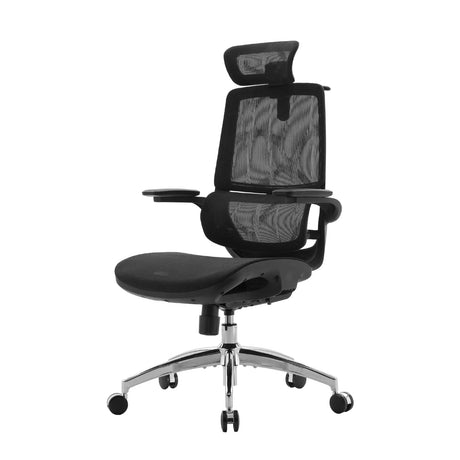
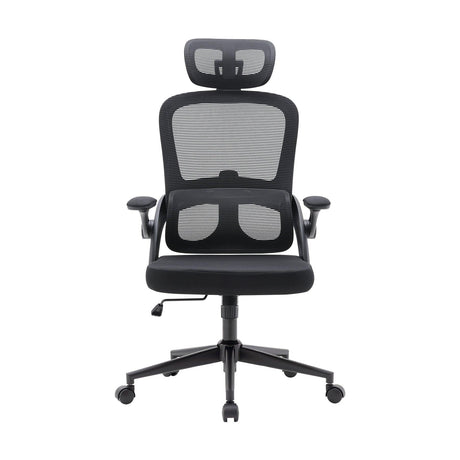
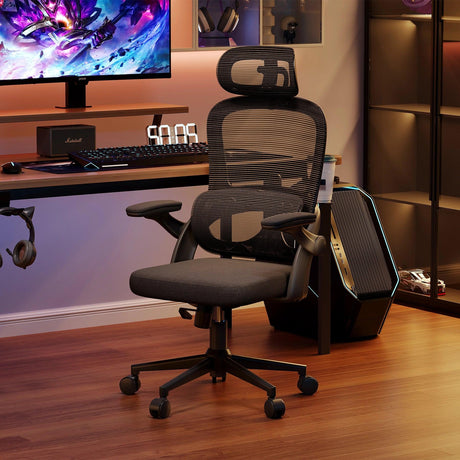
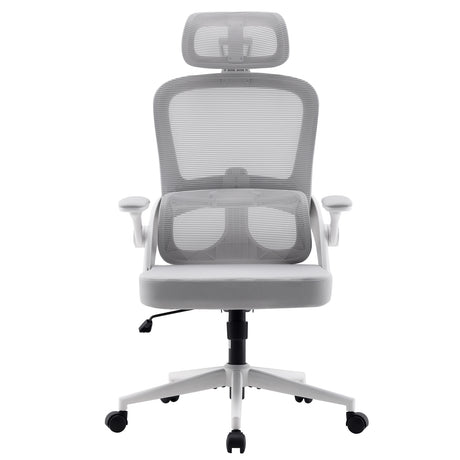
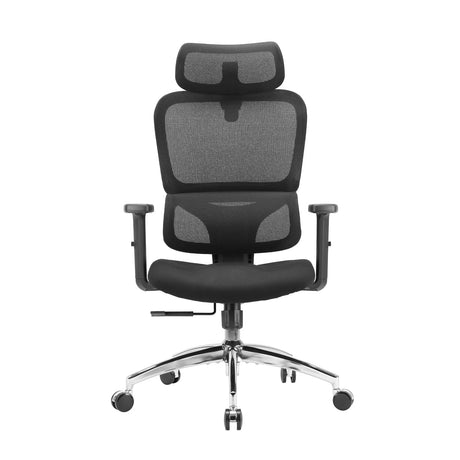
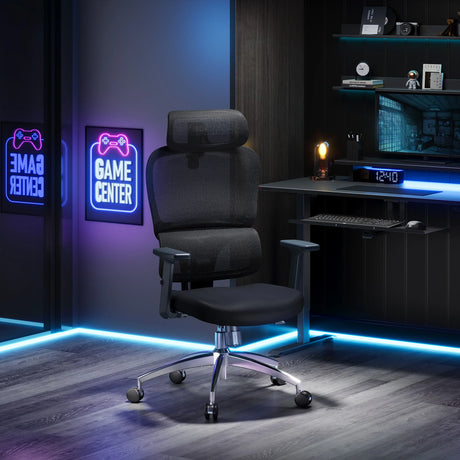
Modern living is getting smaller. Urban professionals, remote workers, students, and creators are increasingly choosing compact apartments for convenience and affordability. At the same time, working from home is no longer temporary — it’s a long-term shift.
This creates a design challenge: how do you build a healthy, productive workspace in limited square footage?
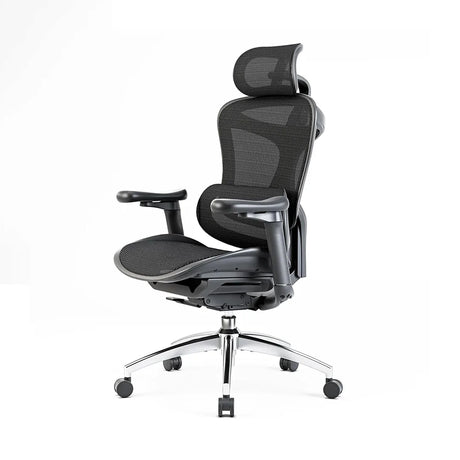
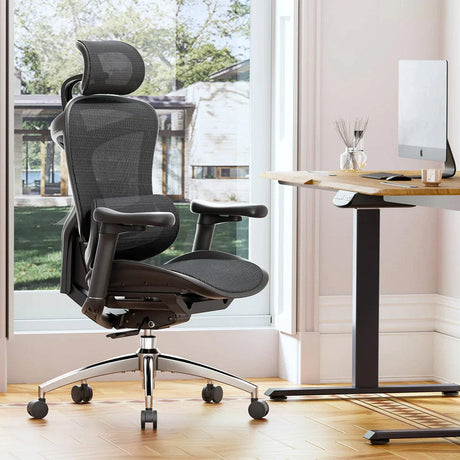
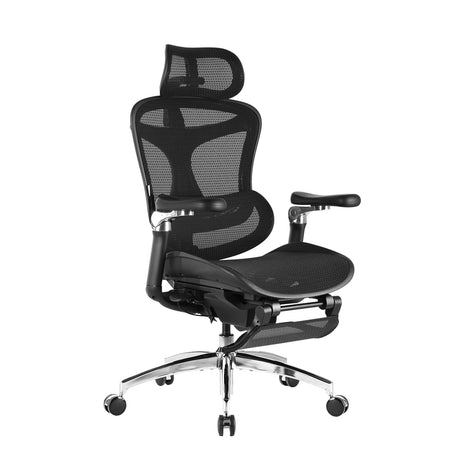
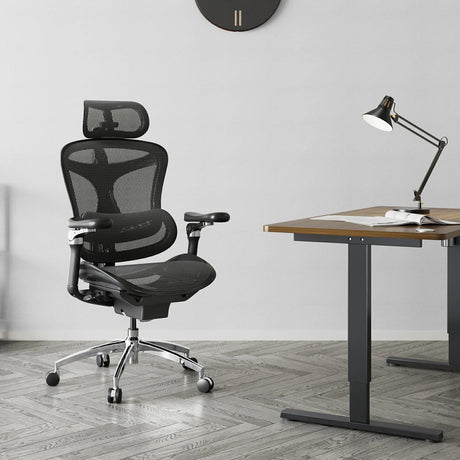
One of the smartest solutions is surprisingly simple — an ergonomic office chair with a footrest.
Far from being a luxury feature, a built-in footrest transforms a single chair into a multi-functional workstation, relaxation spot, and posture-support system. In small apartments where every square foot matters, this type of chair becomes more than furniture — it becomes infrastructure.
1. The Small Apartment Reality: Space Is a Premium Asset
Limited Square Footage, Unlimited Needs
Studio apartments and one-bedroom units often serve multiple purposes:
- Living room
- Bedroom
- Dining area
- Office
- Sometimes even a workout zone
Unlike large homes with dedicated office rooms, small apartments require furniture that performs multiple roles without overcrowding the environment.
Traditional office setups — large desks, bulky executive chairs, separate recliners — simply don’t fit well into compact layouts.
An ergonomic office chair with a footrest addresses this problem directly by combining:
- Proper task seating
- Recliner-style relaxation
- Leg support for circulation
- Compact footprint
Instead of adding another chair or ottoman, you integrate functionality into one intelligent design.

2. Why Ergonomics Matters Even More in Small Spaces
In small apartments, people tend to:
- Sit longer
- Work from couches or beds
- Skip dedicated workspace setups
- Compromise posture for convenience
These habits can lead to:
- Lower back pain
- Neck strain
- Poor circulation
- Fatigue
- Reduced productivity
The Science of Seated Posture
When sitting for extended periods:
- The lumbar spine requires support to maintain natural curvature
- The hips should remain slightly higher than knees
- Feet should rest flat or be supported
- Thighs should be parallel to the floor
- Weight should distribute evenly
Without foot support, many users:
- Let legs dangle
- Cross legs constantly
- Slide forward in the seat
- Overload the lower spine
An ergonomic office chair with a footrest encourages better body alignment by supporting the lower limbs during recline and micro-breaks.
In compact apartments where your chair may serve as both desk chair and lounge seat, ergonomic integrity becomes even more important.
3. The Hidden Power of a Built-In Footrest
3.1 Multi-Function Without Extra Furniture
In small apartments, adding an ottoman or recliner is often unrealistic. A built-in footrest:
- Eliminates the need for extra pieces
- Maintains clean floor space
- Preserves visual openness
- Avoids clutter
This is critical in studio apartments where visual simplicity enhances perceived space.
3.2 Seamless Transition: Work Mode to Relax Mode
With a retractable footrest, you can:
- Sit upright for focused work
- Recline slightly during calls
- Fully extend legs during reading breaks
- Take short restorative pauses
Instead of moving to a bed or sofa (which reduces work-life separation), you stay within your workstation ecosystem.
That matters psychologically.
In small living environments, maintaining subtle boundaries between work and rest supports mental clarity.
3.3 Circulation and Lower Body Relief
Extended sitting compresses blood vessels behind the thighs. Supporting your legs during recline:
- Reduces pressure on the sciatic region
- Encourages better blood flow
- Relieves knee tension
- Minimizes ankle swelling
This becomes particularly beneficial for:
- Remote workers
- Gamers
- Students
- Content creators
When square footage limits mobility, micro-recovery within your chair becomes essential.
4. Why Small Apartments Benefit More Than Large Homes
4.1 You Sit Closer to Everything
In compact spaces, your desk is often near:
- Your bed
- Your kitchen
- Your entertainment area
That proximity increases sitting frequency. A high-quality ergonomic chair ensures that frequent short sessions remain healthy.
4.2 Fewer Furniture Upgrades
Large homes allow incremental upgrades — add a lounge chair later, add a recliner later.
Small apartments require smarter initial choices. One piece must solve multiple problems.
An ergonomic chair with footrest offers:
- Work seating
- Reading chair
- Casual recliner
- Recovery seat
That’s efficient furniture economics.
4.3 Cleaner Aesthetic
Clutter shrinks perceived space.
A single integrated solution preserves:
- Airflow
- Light pathways
- Minimalist design
- Visual harmony
Many modern ergonomic chairs are designed with sleek profiles, making them ideal for contemporary small-apartment interiors.

5. Productivity Advantages in Compact Living
Working in a small apartment presents unique challenges:
- Distractions
- Noise overlap
- Shared spaces
- Lack of physical separation
An ergonomic office chair with footrest enhances productivity by supporting longer, more focused sessions without discomfort.
5.1 Reduced Distraction from Discomfort
Pain is a cognitive drain. Even minor discomfort pulls attention away from tasks.
When your body is properly supported:
- You shift less
- You fidget less
- You concentrate longer
5.2 Strategic Micro-Breaks
Instead of leaving your desk:
- Recline
- Extend footrest
- Breathe deeply
- Reset posture
Short, restorative breaks boost cognitive performance.
5.3 Psychological Comfort in Tight Spaces
Small apartments can feel confining. A chair that reclines with leg extension creates:
- A sense of spaciousness
- Physical openness
- Relaxation within limits
That subtle feeling improves overall well-being.
6. Health Benefits Beyond Comfort
6.1 Spinal Support
A well-designed ergonomic chair typically includes:
- Adjustable lumbar support
- Tilt tension control
- Seat depth adjustment
- Adjustable armrests
- Headrest support
Combined with a footrest, it supports a neutral spine during both upright and reclined positions.
6.2 Reduced Pressure on Lower Back
Reclining distributes load more evenly across:
- Backrest
- Seat pan
- Headrest
- Footrest
This reduces compressive forces on the lumbar discs.
6.3 Leg and Knee Relief
For users with:
- Knee discomfort
- Tight hip flexors
- Lower limb fatigue
Elevating the legs temporarily reduces gravitational stress.
7. Smart Buying Guide for Small Apartments
When choosing an ergonomic office chair with footrest for compact spaces, consider:
7.1 Compact Footprint
Look for:
- Slim base
- Space-efficient armrests
- Foldable or retractable footrest
- Minimal rear clearance when reclining
7.2 Quiet Mechanisms
In small apartments, sound travels easily. Choose chairs with:
- Smooth recline systems
- Silent casters
- Stable frames
7.3 Breathable Materials
Small spaces can trap heat. Mesh backrests improve airflow and comfort.
7.4 Weight Capacity and Stability
Even in small apartments, durability matters. A stable base prevents tipping during recline.
8. Common Misconceptions
“Footrests Are Only for Gaming Chairs”
Modern ergonomic designs incorporate footrests without bulky aesthetics.
“It Takes Too Much Space”
Retractable footrests tuck neatly under the seat.
“I Don’t Recline That Much”
Even occasional use improves circulation and comfort.
9. Who Benefits Most?
- Remote professionals
- Hybrid workers
- Students
- Apartment dwellers
- Digital nomads
- Freelancers
- Content creators
If you work, read, or relax in the same compact space, this chair category makes sense.

10. Long-Term Value in Small Living
In small apartments, furniture must:
- Justify its footprint
- Offer multi-use functionality
- Improve daily quality of life
An ergonomic office chair with footrest delivers all three.
Instead of buying:
- Desk chair
- Recliner
- Ottoman
You consolidate into one high-performance solution.
That’s not just comfort — it’s intelligent spatial strategy.
Frequently Asked Questions (FAQ)
1. Is an ergonomic office chair with footrest suitable for full-time work?
Yes. When properly designed, it supports upright task posture and comfortable recline for breaks.
2. Does a footrest improve posture?
It supports proper leg positioning during recline and helps reduce lower body strain.
3. Will it fit in a studio apartment?
Most modern designs feature retractable footrests and compact bases, making them suitable for small layouts.
4. Is it better than buying a separate ottoman?
For small apartments, yes. It saves space and maintains a cleaner aesthetic.
5. Does reclining reduce productivity?
Used strategically, short recline breaks can enhance focus and recovery.
6. Is it worth the investment?
For people working long hours in limited spaces, the health and productivity benefits justify the cost.
Final Thoughts
Small apartments demand smarter choices. When every square foot matters, furniture must work harder.
An ergonomic office chair with footrest is not about indulgence — it’s about intelligent design, health optimization, and spatial efficiency.
If you live and work in a compact home, this might be the most practical upgrade you can make.
Comfort, productivity, and space-saving — all in one seat.