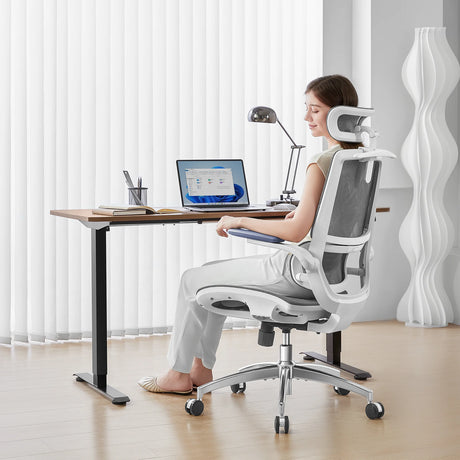
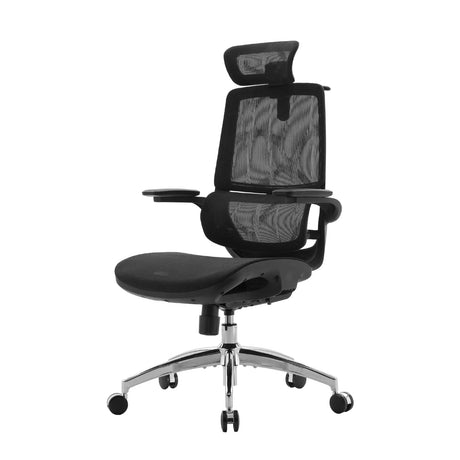
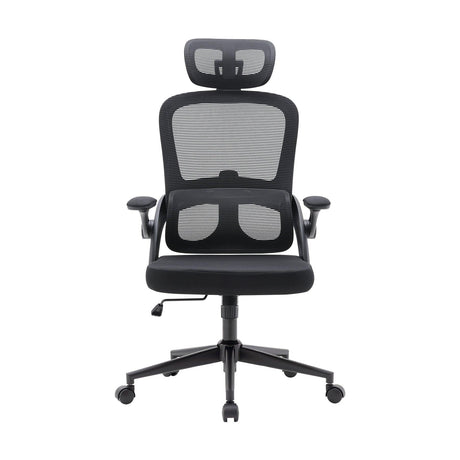
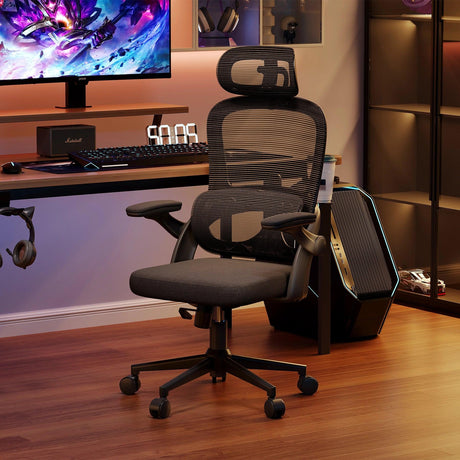
Across all modern work settings—be it corporate offices, specialized workshops, research laboratories, or manufacturing facilities—efficiency and safety are foundational requirements.Organizations of all sizes are increasingly adopting structured systems that help teams work smarter and reduce risk. One of the most influential of these systems is 5S, a methodology that originated from Japanese industrial practice and later became widely used around the world.
Traditionally, 5S is considered a cornerstone of lean manufacturing, but its influence extends far beyond the factory floor. Over the past decade, ergonomics experts have integrated the principles of 5S to reshape how workplaces manage tools, physical layouts, workflows, and employee well-being.
In ergonomics, 5S isn’t just about organization—it’s about creating environments that reduce physical strain, eliminate unnecessary movement, optimize posture, and promote long-term health. When implemented correctly, the 5S method can dramatically improve comfort, reduce workplace injuries, and strengthen organizational performance.
This guide explains what 5S means in ergonomics, why it matters, and how businesses can apply it effectively with real-world examples.
1. Understanding 5S: Origins and Purpose
The term 5S comes from five Japanese words that describe steps for creating and maintaining a well-organized workspace:
-
Seiri – Sort
-
Seiton – Set in Order
-
Seiso – Shine
-
Seiketsu – Standardize
- Shitsuke – Sustain
These steps help eliminate waste, prevent clutter, and streamline work habits.
While 5S started in manufacturing environments—especially within the Toyota Production System—it quickly proved useful in any setting where efficiency and safety matter. Over time, ergonomics professionals recognized that the 5S framework also reduces physical stress and improves workplace comfort.
Today, 5S is fundamentally associated with:
-
Optimized workflows
-
Safer physical environments
-
Reduced musculoskeletal stress
-
Better posture and movement habits
- Higher productivity and fewer errors
In ergonomics, 5S goes beyond cleaning and organization. It becomes a preventive tool that enhances human performance and protects long-term health.
2. Why 5S Matters in Ergonomics
To understand the link between 5S and ergonomics, you need to look at common workplace problems:
- Employees bend excessively to reach items stored too low.
- Tools are scattered, causing repeated grabbing, twisting, or awkward postures.
- Workstations are cluttered, forcing workers into cramped, unhealthy positions.
- Missing organization leads to unnecessary walking, lifting, or stretching.
- High-touch items are placed far away, requiring overreaching.
- Inconsistent setups cause posture strain and workflow disruptions.
Ergonomics aims to design environments around the capabilities and limitations of the human body. When this goal aligns with the 5S principle of eliminating waste and improving order, the result is:
-
Less physical strain
-
Fewer repetitive motions
-
Lower fatigue levels
-
Faster task completion
- Higher accuracy and comfort
The 5S system provides a structure that supports ergonomic improvements. Even small adjustments—like labeling drawers or positioning tools within arm’s reach—can significantly reduce musculoskeletal stress.
3. The Five Pillars of 5S in Ergonomics
Below is a detailed breakdown of each “S,” including how it connects to ergonomic best practices.
3.1 Sort (Seiri): Remove What You Don’t Need
What Sort Means
Sorting involves evaluating everything in the workspace and asking:
-
Is it necessary?
-
How often is it used?
- Does its presence create clutter or physical strain?
This step focuses on removing unnecessary items to reduce distractions and eliminate wasted movement.
Ergonomic Benefits of Sorting
-
Less bending, reaching, or twisting
With fewer items competing for space, employees can move more naturally. -
Lower risk of tripping or bumping into objects
-
Reduced cognitive load
Clutter-free environments make it easier to stay focused. - Better airflow and safer equipment storage
When items are removed, the workspace becomes more adaptable. It’s also easier to position essential tools at optimal ergonomic heights.
Examples of Sorting in Ergonomics
- Removing broken or outdated equipment taking up valuable space.
- Discarding duplicate tools that cause unnecessary searching.
- Limiting office supplies to what is needed daily.
- Clearing floor space around desks to prevent awkward steps or movements.
3.2 Set in Order (Seiton): Organize the Essentials
What Set in Order Means
Once unnecessary items are removed, the next step is arranging essential items so they are:
-
Easy to access
-
Easy to return
- Placed based on frequency of use
The core idea is that “a place for everything, and everything in its place.”
Ergonomic Benefits of Setting in Order
-
Reduces repetitive bending or reaching
-
Minimizes force exertion by positioning heavy items at waist height.
-
Improves workflow efficiency
-
Promotes neutral posture, avoiding strain on the neck, back, and shoulders.
- Reduces unnecessary walking between stations or storage areas.
Examples of Setting in Order in Ergonomics
- Organizing tools based on priority: frequently used tools near, infrequent tools farther away.
- Adjusting monitor height to eye level to reduce neck strain.
- Placing keyboards and mice in neutral, reachable zones.
- Adding under-desk storage to keep leg space open and comfortable.
- Using drawers with dividers for clean categorization.
Visual Management Tools
Set in Order often uses visual cues, such as:
- Labels
- Color-coding
- Floor markings
- Shadow boards
- Drawer inserts
These reduce decision fatigue and encourage consistent organization.
3.3 Shine (Seiso): Clean and Inspect the Workspace
What Shine Means
Shine is more than just cleaning. It includes:
- Regular maintenance
- Inspection for hazards
- Ensuring equipment works properly
In ergonomics, a clean space leads to fewer injuries and better posture habits.
Ergonomic Benefits of Shine
-
Hazard reduction
Clean floors prevent slips; dust-free equipment works more consistently. -
Improved air quality
Reduces allergens and respiratory irritation. -
Early detection of ergonomic risks
Loose chair mechanisms, unstable tables, or flickering lights often go unnoticed until inspected. -
Better hygiene, especially for shared workspaces.
- Reduced clutter, enabling safer body movements.
Examples of Shine in Ergonomics
- Inspecting chairs for proper height adjustment or lumbar support function.
- Checking standing desks for wobble issues.
- Ensuring cables are managed to prevent tripping.
- Cleaning monitor screens to reduce eye strain.
- Keeping ventilation unobstructed in enclosed spaces.
3.4 Standardize (Seiketsu): Create Consistent Practices
What Standardize Means
Standardization ensures that the first three steps—Sort, Set in Order, Shine—are consistently followed. Standards may include:
- Checklists
- Guidelines
- Visual reminders
- Scheduled audits
- Clearly defined workstation setups
Ergonomic Benefits of Standardizing
-
Reduced posture variability that leads to strain
When every workstation is set up consistently, employees can maintain healthier positions. -
Fewer errors
With consistent layouts, tools are easy to find. -
Improved team collaboration
Everyone understands the workflow and expectations. -
Better long-term ergonomics compliance
Employees don’t revert to clutter or poor setup habits.
Examples of Standardizing in Ergonomics
- Standard desk setups for new employees (monitor height, chair settings, keyboard placement).
- Checklists for cleaning and organizing at the end of each shift.
- Workplace layout maps showing ergonomic zones.
- Training manuals that guide proper lifting, posture, and workstation adjustments.
3.5 Sustain (Shitsuke): Keep the System Going
What Sustain Means
Sustain focuses on discipline and continuous improvement. It ensures that 5S becomes part of the company’s culture rather than a one-time project.
Sustain typically includes:
- Regular training
- Workplace reminders
- Supervisor feedback
- Ergonomic assessments
- Employee participation in improvements
- Recognition for compliance
Ergonomic Benefits of Sustain
-
Long-term injury prevention
-
Stronger health culture
-
Greater employee engagement
-
Continuous improvements in posture and efficiency
- Higher productivity with fewer slowdowns
Examples of Sustain in Ergonomics
- Monthly ergonomic assessments to identify risks early.
- Encouraging teams to suggest improvements.
- Regular workshops on posture and workstation adjustment.
- Leadership modeling proper ergonomic behavior.
4. How 5S Supports a Complete Ergonomic Program
To understand how deeply 5S connects with ergonomics, it helps to examine common ergonomic challenges and how each 5S element addresses them.
4.1 Reducing Musculoskeletal Injuries
Many workplace injuries stem from:
- Awkward postures
- Repetitive motions
- Excessive reaching
- Poorly positioned tools
Set in Order and Standardize minimize these risks by organizing tools and designing consistent, ergonomic layouts.
4.2 Eliminating Unnecessary Movement
Wasteful motion leads to fatigue.
5S arranges tools so workers move naturally with minimal effort.
4.3 Improving Workplace Safety
Sorting and cleaning remove hidden trip hazards, while standardized practices ensure safe behavior.
4.4 Enhancing Workflow Efficiency
Ergonomics isn’t just about comfort—it’s also about productivity.
With a well-organized workspace, employees can complete tasks faster with fewer errors.
4.5 Supporting Psychological Comfort
Cluttered environments cause:
- Stress
- Distraction
- Reduced cognitive performance
The 5S system creates cleaner, more calming spaces that support concentration.
5. Practical Examples: 5S in Office Ergonomics
To make the concept even clearer, here is a scenario of 5S applied to a typical office workstation.
Sort
- Remove outdated documents, broken headphones, unused cables.
- Keep only daily essentials: laptop, keyboard, mouse, monitor, notebook.
Set in Order
- Monitor positioned at eye level and arm’s length away.
- Keyboard and mouse placed to support neutral wrist posture.
- Frequently used items within the primary reach zone.
- Cables organized behind the desk.
Shine
- Wipe the monitor regularly to reduce glare.
- Clear dust from vents to improve air circulation.
- Clean desk surfaces to keep a healthy environment.
Standardize
- Use a setup checklist: monitor height, office chair adjustments, lighting levels.
- Label drawers and storage bins.
- Create a consistent folder structure for digital files.
Sustain
- Schedule weekly desk reviews.
- Regular ergonomic training sessions.
- Encourage workers to report discomfort early.
6. Practical Examples: 5S in Industrial and Manufacturing Ergonomics
Sort
- Remove damaged tools and unnecessary materials on workbenches.
Set in Order
- Position tools closest to their point of use.
- Use shadow boards to avoid repetitive searching.
- Place heavy items at waist level to minimize lifting strain.
Shine
- Clean grease spills immediately.
- Maintain equipment to reduce vibration and force.
- Inspect machinery guards and seating.
Standardize
- Develop procedures for tool storage and workstation setup.
- Implement color-coded zones for materials handling.
Sustain
- Train employees on lifting techniques.
- Conduct ergonomic audits every quarter.
- Review incident reports for ergonomic hotspots.
7. Benefits of Implementing 5S for Ergonomics
Organizations that combine 5S and ergonomics typically experience:
7.1 Improved Comfort and Health
Employees experience fewer issues such as:
- Back pain
- Neck strain
- Wrist discomfort
- Fatigue
7.2 Higher Productivity
A well-organized workspace enables faster task execution with fewer interruptions.
7.3 Lower Injury Costs
Musculoskeletal disorders are among the most expensive workplace injuries. 5S reduces this burden.
7.4 Enhanced Employee Morale
Comfortable, clean environments improve job satisfaction.
7.5 Better Organization and Consistency
Teams can transfer easily between workstations thanks to standardized layouts.
7.6 Reduced Waste and Downtime
With everything in the right place, operations run smoothly.
8. How to Implement 5S With an Ergonomic Focus
Introducing 5S into your workplace requires thoughtful planning. Here is a step-by-step approach:
Step 1: Conduct a Workplace Assessment
- Identify clutter, hazards, repetitive motion risks, forceful tasks.
- Gather input from employees who understand the daily workflow.
Step 2: Train Staff on 5S and Ergonomics
People need to understand not just what 5S is, but why it matters for their health.
Step 3: Start With Sorting
Encourage departments to remove unnecessary items and free up physical space.
Step 4: Rearrange the Workspace
Use ergonomics principles:
- Neutral posture
- Reach zones
- Proper lifting height
- Adequate lighting
- Adjustable furniture
Step 5: Create Cleaning and Inspection Routines
Assign responsibilities to ensure Shine is maintained.
Step 6: Develop Standards
Use:
- Visual guides
- Workstation templates
- Digital organization rules
Step 7: Reinforce the Culture
Ensure 5S becomes a habit through:
- Incentives
- Monitoring
- Regular audits
- Continuous training
9. Common Challenges and How to Overcome Them
Even effective systems like 5S face obstacles:
Challenge 1: Employees Resist Change
Solution:
Involve workers early. Show how changes reduce physical strain and improve comfort.
Challenge 2: Standards Fade Over Time
Solution:
Use reminders, refreshers, and leadership modeling.
Challenge 3: Overemphasis on Cleanliness Instead of Ergonomics
Solution:
Balance cleaning with posture improvements, workstation adjustments, and workflow analysis.
Challenge 4: Lack of Long-Term Commitment
Solution:
Create accountability through scheduled reviews and documented procedures.
10. FAQ: 5S and Ergonomics
1. Is 5S only for factories?
No. While 5S originated in manufacturing, its principles apply to offices, healthcare, laboratories, warehouses, and even home offices.
2. How does 5S improve ergonomics?
By organizing tools, reducing clutter, positioning equipment correctly, and standardizing healthy work practices, 5S reduces physical strain and prevents musculoskeletal injuries.
3. Do employees need training to follow 5S?
Yes. Proper training ensures consistent application and helps staff understand the ergonomic benefits.
4. Is 5S expensive to implement?
Not necessarily. Many 5S improvements—like decluttering, repositioning items, and creating labels—are low-cost and deliver immediate ergonomic benefits.
5. Can 5S reduce workplace injuries?
Absolutely. By organizing and improving workspace layout, 5S cuts down on awkward postures, repetitive motions, and preventable hazards.
6. How often should 5S audits be conducted?
Most workplaces conduct audits monthly or quarterly to maintain consistency.
7. Is digital organization part of 5S?
Yes. Digital clutter impacts efficiency, and Standardize helps create uniform digital file systems.
8. How long does it take to see results from 5S?
Many organizations notice improvements—such as reduced clutter and smoother workflows—within weeks.
9. Can 5S help with hybrid or remote work setups?
Yes. Home offices benefit from the same ergonomic and organization principles used in professional environments.
10. Does 5S replace ergonomic assessments?
No. 5S supports ergonomics, but ergonomic assessments provide deeper analysis of posture, movement, force, and risk factors.
Conclusion: 5S Is a Powerful Foundation for Ergonomic Excellence
The integration of 5S and ergonomics creates work environments that are safe, efficient, and supportive of long-term health. By focusing on organization, posture, positioning, and consistent habits, businesses can reduce injury risks and strengthen productivity.
Whether you’re managing an office, a production line, or a hybrid team, 5S offers a practical, science-backed approach to improving the way people work. When sustained over time, it becomes more than a system—it becomes a culture of well-being and continuous improvement.