Workplaces today are safer than ever, yet millions of workers worldwide still experience injuries, pain, and long-term health issues caused by preventable hazards. Among the most commonly misunderstood risks are physical hazards and ergonomic hazards. They often occur side by side, especially in industrial, healthcare, office, and remote-work environments. However, they are not the same, and understanding their differences is crucial for building a safer, healthier, and more productive workplace.
This comprehensive guide breaks down what physical hazards are, what ergonomic hazards are, their key differences, examples, impacts, prevention strategies, and how employers and employees can work together to reduce risks. Whether you're part of a safety management team, an HR professional, an ergonomics consultant, or an everyday worker who wants to understand workplace health better, this article will serve as an in-depth resource.
1. Introduction: Why Understanding Workplace Hazards Matters
Every organization—regardless of industry—faces workplace hazards. While some hazards are obvious, like machinery noise or chemical exposure, others are subtle, like poor posture or repetitive tasks that gradually wear down the body. Many people assume that a hazard must be immediate and dramatic to be dangerous, but research consistently shows the opposite.
- Most workplace injuries are musculoskeletal in nature.
- Many develop slowly due to poor ergonomic conditions.
- A significant portion of workers are exposed to physical hazards daily without recognizing the long-term consequences.
This is why distinguishing between physical hazards and ergonomic hazards is so important. Each requires different control methods, training approaches, and workplace design solutions.
2. What Are Physical Hazards?
Physical hazards are environmental factors that can harm a worker without necessarily touching them. They are typically associated with forces, energy, or environmental conditions that can cause injury or illness. These hazards are often obvious and measurable, making them easier to regulate.
2.1 Definition of Physical Hazards
A physical hazard is any environmental agent capable of causing physical harm to the human body. These hazards typically involve:
- Noise
- Vibration
- Radiation
- Extreme temperatures
- Pressure
- Electrical energy
- Moving machinery
- Slippery or uneven surfaces
Physical hazards are an established category in occupational health and safety regulations across global standards such as OSHA, ISO 45001, and ILO guidelines.
2.2 Common Examples of Physical Hazards
1. Noise
Prolonged exposure to loud machinery, tools, vehicles, or workplace chatter can cause:
- Hearing loss
- Fatigue
- Stress
- Reduced concentration
Noise is one of the most widespread physical hazards.
2. Temperature Extremes
Heat stress and cold stress can occur in:
- Manufacturing
- Agriculture
- Kitchens
- Foundries
- Outdoor work
Both can lead to serious health issues, including heat exhaustion or hypothermia.
3. Vibration
Whole-body vibration (from heavy machinery) or hand-arm vibration (from tools) can cause disorders affecting:
- Nerves
- Blood vessels
- Joints
- Muscles
4. Radiation
Includes:
- Ionizing (X-rays, gamma rays)
- Non-ionizing (UV, infrared, microwaves)
Radiation hazards require strict exposure controls.
5. Electrical Hazards
Electrical shock, burns, and arc flashes remain major risks in many workplaces.
6. Slips, Trips, and Falls
This includes:
- Wet floors
- Poor lighting
- Uneven flooring
- Cluttered walkways
These are among the leading causes of workplace injuries worldwide.
7. Mechanical Hazards
Moving parts of machines can lead to:
- Cuts
- Crushing
- Entanglement
Guards, lockout/tagout, and training are essential.
2.3 How Physical Hazards Impact Workers
Physical hazards can cause:
- Immediate injuries (burns, fractures)
- Gradual health problems (hearing loss, chronic pain)
- Psychological effects (stress from constant noise)
- Reduced productivity
- Increased absenteeism
Because physical hazards are often measurable, they are typically regulated through engineering controls, PPE, and safety protocols.
3. What Are Ergonomic Hazards?
Unlike physical hazards, ergonomic hazards are more subtle. They relate to how a worker interacts with tools, tasks, and their environment. These hazards are typically linked to repetitive or sustained behaviors that place stress on the body over time.
3.1 Definition of Ergonomic Hazards
An ergonomic hazard is any task, posture, or environmental factor that puts strain on the musculoskeletal system. These hazards arise when work design fails to align with the abilities and limitations of the human body.
Common contributors include:
- Repetitive motions
- Awkward postures
- Poor workstation design
- Forceful exertions
- Improper lifting
- Poorly designed tools
- Static sitting or standing
Ergonomic hazards are the primary cause of MSDs (musculoskeletal disorders), including:
- Back pain
- Carpal tunnel syndrome
- Tendonitis
- Neck strain
- Shoulder injuries
3.2 Common Examples of Ergonomic Hazards
1. Repetitive Motions
Tasks like typing, scanning items, sewing, or assembly line work can cause repetitive strain injuries.
2. Awkward or Sustained Postures
Examples include:
- Reaching overhead
- Twisting the spine
- Stooping
- Leaning forward
- Sitting for long periods
- Standing in one place too long
3. Forceful Movements
Heavy lifting, pulling, pushing, and carrying loads add stress on joints and muscles.
4. Poorly Designed Workstations
Office workers often experience:
- Incorrect monitor height
- Lack of lumbar support
- Seats without adjustability
This contributes to chronic back and neck pain.
5. Vibration Loading
Although vibration is a physical hazard, long-term exposure can also create ergonomic stress, increasing MSD risk.
6. Inadequate Breaks
Performing the same task for long periods without rest increases injury risk.
3.3 How Ergonomic Hazards Impact Workers
Ergonomic hazards often lead to:
- Chronic pain
- Reduced mobility
- Fatigue
- Long-term musculoskeletal disorders
- Decreased productivity
- Higher medical costs
- Long recovery periods
Because ergonomic injuries build slowly, they often go unnoticed until significant damage has occurred.
4. Key Differences Between Physical and Ergonomic Hazards
While both hazard types impact health and safety, they differ in several important ways. Understanding these differences helps employers create proper prevention strategies.
Here is a clear breakdown:
4.1 Nature of the Hazard
|
Aspect |
Physical Hazard |
Ergonomic Hazard |
|
Type of risk |
Environmental forces or energy |
How tasks, tools, and environment strain the body |
|
Visibility |
Usually visible and measurable |
Often subtle and cumulative |
|
Impact timeline |
Immediate or short-term |
Gradual, long-term development |
4.2 How Injuries Occur
-
Physical hazards cause harm through direct environmental exposure (heat, noise, machinery).
- Ergonomic hazards cause harm through poor movement patterns, repetitive tasks, or sustained postures.
4.3 Typical Consequences
Physical hazards:
- Burns
- Fractures
- Hearing loss
- Electric shock
- Falls
Ergonomic hazards:
- Back pain
- Tendon injuries
- Muscle strain
- Nerve compression
- Chronic musculoskeletal disorders
4.4 Preventive Approaches
|
Category |
Physical Hazards |
Ergonomic Hazards |
|
Primary controls |
Engineering controls (guards, insulation, PPE) |
Workstation design, task redesign, ergonomic training |
|
Focus |
Reducing exposure to harmful physical forces |
Adapting work to human capabilities |
|
Common solutions |
PPE, temperature control, noise barriers |
Adjustable chairs, anti-fatigue mats, work rotation, proper lifting |
4.5 Regulatory Treatment
Physical hazards are highly regulated (OSHA, EU-OSHA, ISO). Ergonomic hazards vary:
- Some countries have strong ergonomics legislation.
- Others offer guidelines but limited enforcement.
5. How Physical and Ergonomic Hazards Interact in Real Workplaces
In many work environments, the two hazard types overlap. For example:
1. Heavy lifting
-
Physical hazard: Risk of dropping a load, crushing injuries
- Ergonomic hazard: Risk of back strain from improper lifting technique
2. Power tools
-
Physical hazard: Noise and vibration
- Ergonomic hazard: Awkward hand positions, repetitive motions
3. Office work
-
Physical hazard: Poor lighting causing eye strain
- Ergonomic hazard: Poor desk setup causing musculoskeletal pain
4. Healthcare
-
Physical hazard: Slippery floors leading to falls
- Ergonomic hazard: Repetitive patient handling causing back injuries
Workplace safety programs should consider both hazard types simultaneously for maximum protection.
6. How to Identify Physical vs. Ergonomic Hazards in the Workplace
A thorough hazard assessment includes:
6.1 For Physical Hazards
- Noise level measurements
- Temperature and humidity readings
- Vibration testing
- Visual inspection of equipment
- Slip-resistance assessment
- Electrical safety audit
These are typically quantifiable.
6.2 For Ergonomic Hazards
- Observing tasks during normal work
- Checking workstation setup
- Reviewing injury logs
- Surveying workers about pain and discomfort
- Conducting ergonomic assessments or using tools like RULA or REBA
Ergonomic hazards require more behavioral and observational analysis.
7. Strategies to Prevent Physical Hazards
7.1 Engineering Controls
- Machine guards
- Noise-reducing enclosures
- Ventilation systems
- Anti-slip flooring
- Temperature control
7.2 Administrative Controls
- Safety training
- Signage
- Restricted access
- Maintenance schedules
7.3 Personal Protective Equipment (PPE)
- Ear protection
- Helmets
- Insulated gloves
- Protective clothing
- Safety shoes
These measures focus on reducing exposure to hazardous environmental conditions.
8. Strategies to Prevent Ergonomic Hazards
Ergonomic risk management focuses on designing work to fit the worker.
8.1 Workstation Design
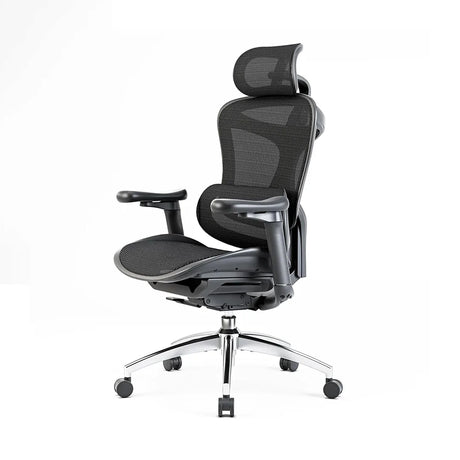
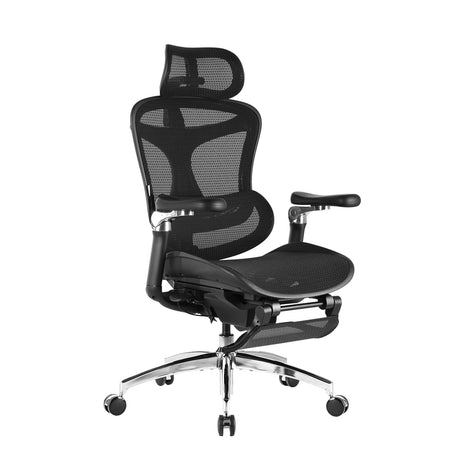
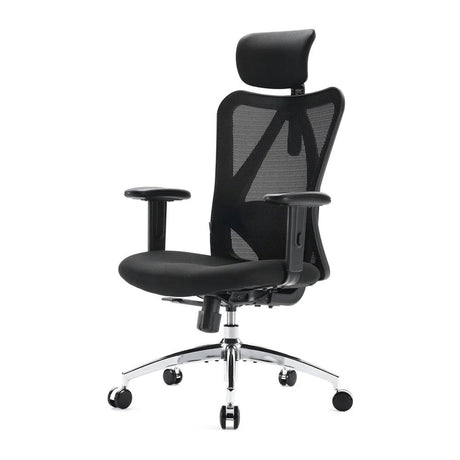
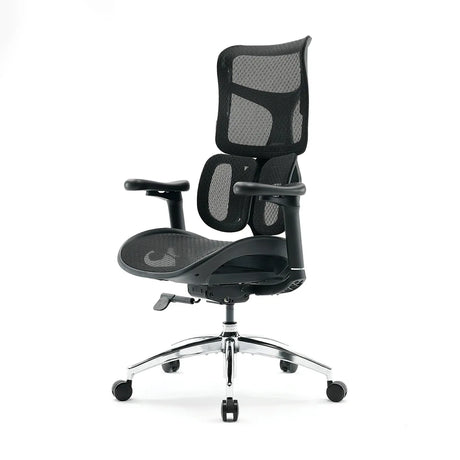
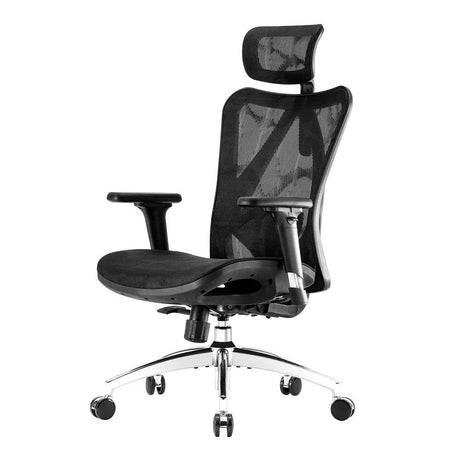
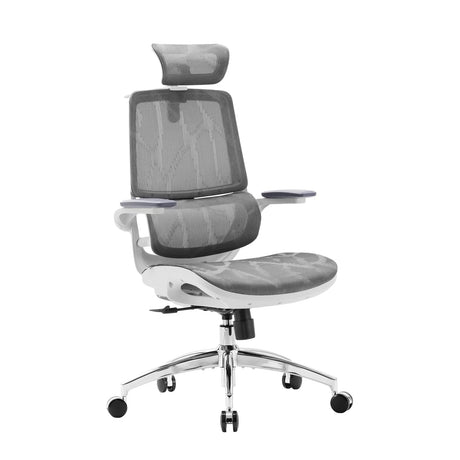
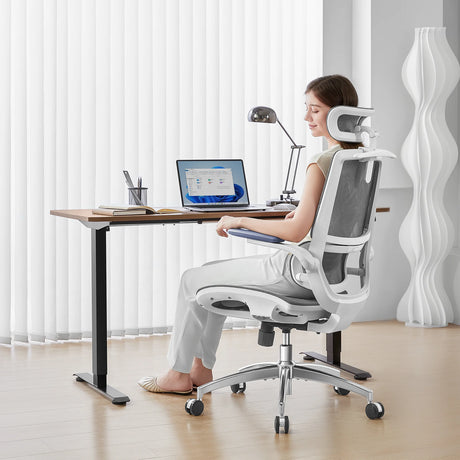
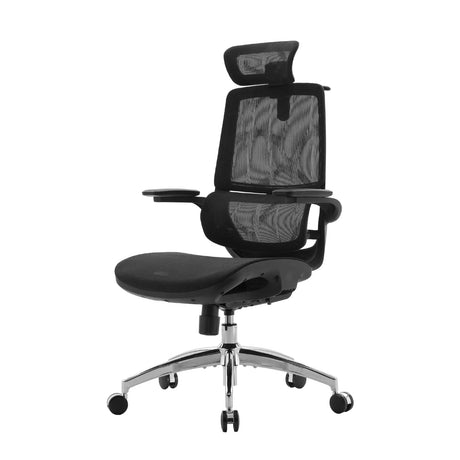
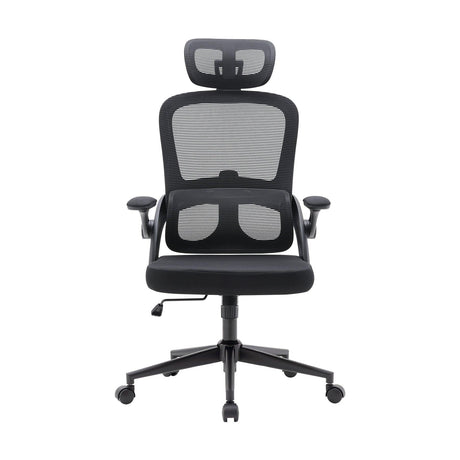
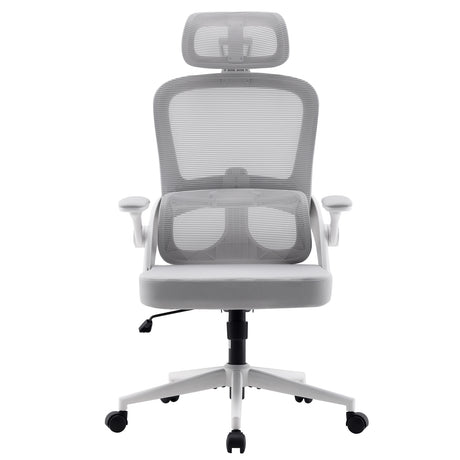
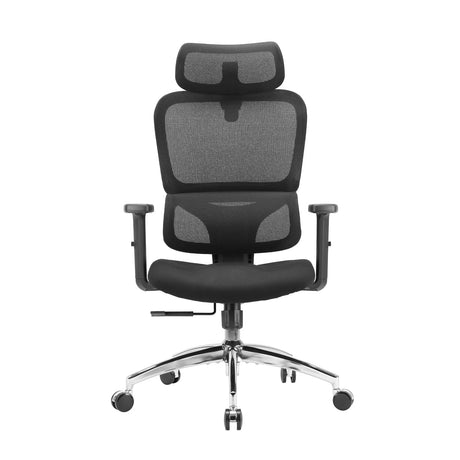
- Adjustable chairs with lumbar support
- Proper monitor placement
- Ergonomic keyboards and mouse devices
- Sit-stand desks
8.2 Task Redesign
- Reducing repetitive motions
- Automating forceful tasks
- Improving reach and access
- Introducing rest breaks
8.3 Training and Education
- Employees should learn:
- Proper posture
- Effective lifting techniques
- Micro-break routines
- Early symptoms of ergonomic injury
8.4 Work Rotation
This helps prevent repetitive strain by varying tasks throughout the shift.
9. The Importance of Ergonomics in Modern Work Environments
Ergonomics is becoming increasingly important as the global workforce shifts toward:
- Remote work
- Hybrid offices
- Digital tools
- Prolonged sitting
- High computer use
Without proper ergonomic awareness, workers may experience chronic conditions that reduce long-term productivity.
Modern ergonomic solutions include:
- Adjustable office chairs
- Sit-stand workstations
- Flexible seating
- Monitor arms
- Anti-fatigue mats
Investing in ergonomic improvements often leads to:
- Higher productivity
- Lower injury rates
- Better employee retention
- Improved comfort and focus
10. Why Employers Should Address Both Hazard Types
Physical and ergonomic hazards both significantly impact business outcomes. Organizations that proactively address both experience:
- Reduced workers’ compensation claims
- Fewer lost workdays
- Increased employee satisfaction
- Better performance metrics
- Improved safety culture
A fully integrated health and safety program includes both environmental (physical) and human-centered (ergonomic) risk management.
11. Frequently Asked Questions (FAQ)
1. What is the main difference between physical and ergonomic hazards?
Physical hazards come from environmental conditions (noise, heat, machinery), while ergonomic hazards relate to how tasks interact with the body (posture, repetition, lifting).
2. Are physical hazards more dangerous than ergonomic hazards?
Both can be dangerous, but in different ways. Physical hazards often cause immediate injuries, while ergonomic hazards lead to long-term chronic conditions.
3. Can a hazard be both physical and ergonomic?
Yes. For example, vibration from a power tool is a physical hazard, but holding the tool awkwardly is an ergonomic hazard.
4. Are ergonomic injuries preventable?
In most cases, yes. Proper workstation design, equipment adjustments, and training significantly reduce risk.
5. What industries experience the most ergonomic hazards?
- Office work
- Manufacturing
- Healthcare
- Warehousing
- Retail
- Construction
6. How do I know if my workstation is ergonomic?
It should support neutral posture, allow adjustability, reduce reaching, and keep your spine aligned with natural curves.
7. Why do so many ergonomic injuries go unreported?
Because they develop slowly and workers often dismiss early discomfort as normal.
8. What is the cost of ignoring ergonomic hazards?
Higher medical costs, absenteeism, lower productivity, and potential legal issues.
9. Do employers have a legal obligation to address ergonomic hazards?
This depends on the country. Many regions have guidelines but not specific regulations.
10. How often should ergonomic assessments be performed?
At least annually, or whenever tasks or equipment change.
12. Conclusion
Understanding the difference between physical and ergonomic hazards is essential for building healthier, safer, and more productive workplaces. Physical hazards are rooted in environmental forces like noise, heat, and machinery, while ergonomic hazards arise from how work interacts with the body’s biomechanics.
Effective safety management must address both types of hazards with tailored strategies. Physical hazards are mitigated through engineering controls and PPE, whereas ergonomic hazards require thoughtful work design, adjustable equipment, and ongoing education.
Organizations that successfully manage both hazard categories not only protect their workers but also empower them to perform their best. Whether you’re an employer, safety professional, or worker, awareness and proactive action are the keys to reducing injuries and creating sustainable environments where people can thrive.